In automated frozen dessert retail, entrepreneurs evaluate two primary machine architectures: automated soft-serve dispensers (which mix liquid dairy on-demand into a cone or cup) and pre-packaged frozen food kiosks (like the Miracle AZ-FRZ, which store factory-sealed ice cream bars and gelato at −18°C to −25°C). While the visual theater of a robotic arm dispensing a soft serve vending machine is captivating, real-world operational economics reveal stark differences in daily sanitation labor, food safety compliance, and mechanical downtime. In this comparative analysis, we examine which format delivers superior long-term return on investment.
Key Takeaways: Automated Frozen Dessert & Ice Cream Vending
- Daily Cleaning & Sanitation Burden: Soft-serve machines require daily milk-pipe cleaning and pasteurization; pre-packaged kiosks require zero daily dairy maintenance.
- Food Safety & Bacterial Risk: Liquid dairy storage carries severe bacterial contamination risks; pre-packaged factory-sealed ice cream eliminates food safety liability.
- Mechanical Complexity & Downtime: Soft-serve machines incorporate complex liquid pumps, freeze cylinders, and robotic arms prone to frequent jamming; AZ-FRZ uses simple, robust spiral/conveyor lanes.
- Higher Product Variety: AZ-FRZ stocks 36 to 50 diverse brands and formats simultaneously; soft-serve machines are limited to 1 or 2 liquid dairy flavors.
Looking to Deploy a −18°C to −25°C Deep-Freeze Ice Cream Vending Machine?
Download factory-direct pricing for AZ-FRZ01 & AZ-FRZ02 models, defogging glass specs, and turnkey ROI calculators.
The Hidden Operational Burden of Liquid Dairy Soft-Serve
Robotic soft-serve ice cream machines seem attractive in demonstration videos. However, storing liquid dairy mix inside an unattended vending kiosk introduces immense operational friction. Health codes in North America and Europe mandate strict daily sanitation of all liquid milk contact surfaces, feed tubes, and dispensing spouts. If an operator misses a cleaning cycle, bacterial buildup (Listeria, Coliform) can trigger immediate health department shutdowns and lawsuits. In contrast, the Miracle AZ-FRZ stores factory-sealed packaged ice cream in a deep-freeze vault, requiring zero daily plumbing or dairy sanitation.
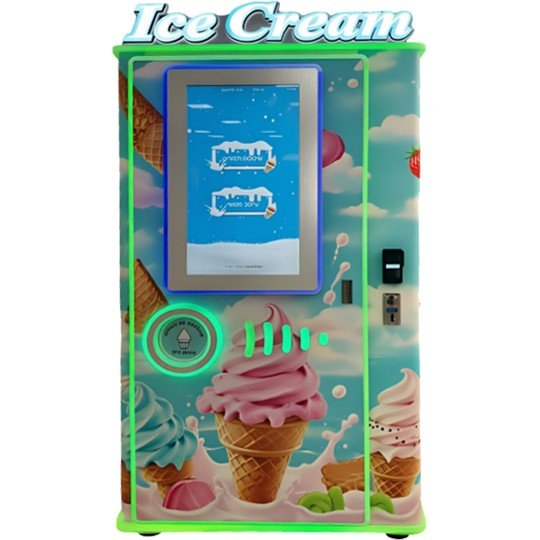
Figure 4: Automated robotic soft-serve ice cream machine showcasing interactive cone dispensing.
Automated Soft-Serve Kiosk vs. Miracle AZ-FRZ Pre-Packaged Frozen Kiosk
| Operational Dimension | Miracle AZ-FRZ Pre-Packaged Frozen Kiosk | Robotic Soft-Serve Ice Cream Dispenser |
|---|---|---|
| Daily Maintenance Labor | $0 / day (Restock weekly or bi-weekly) | 45 to 60 minutes DAILY sanitizing liquid dairy lines |
| Health Code Compliance | Standard packaged retail permit (Simple) | Strict dairy processing license + regular bacterial testing |
| Mechanical Failure Rate | <0.1% jam rate (Proven spiral/conveyor mechanics) | 12% to 25% downtime (Liquid pump clogs, cone drops) |
| Product Variety Per Machine | 36 to 50 distinct brands, flavors & novelties | Only 1 to 2 flavors (Vanilla/Chocolate swirl) |
| Initial Equipment Cost | $3,800 – $7,200 FOB Shanghai | $18,000 – $35,000 (Complex robotics & pasteurizer) |
| Operating Lifespan | 8 to 10+ years commercial service | 3 to 5 years (High wear on compressors & seals) |
Product Diversity: Catering to All Dietary Preferences
A soft-serve machine offers one or two dairy flavors, alienating consumers who are lactose-intolerant, vegan, or seeking low-calorie fruit popsicles. The AZ-FRZ’s 36 to 50 independent channels allow operators to curate a comprehensive frozen dessert menu: dairy-free fruit popsicles, vegan oat-milk bars, premium Haagen-Dazs/Magnum bars, Japanese mochi, and artisan ice cream sandwiches, capturing 100% of consumer dietary preferences.
−18°C to −25°C Continuous Deep-Freeze: Zero Melting Guarantee
The primary risk in automated frozen retail is temperature creep during hot summer months. Even a brief fluctuation to −10°C causes ice crystallization, texture degradation, and collapsed packaging. The Miracle AZ-FRZ series incorporates heavy-duty commercial Embraco/Secop compressors charged with eco-friendly R290 refrigerant and dual-layer polyurethane insulation, maintaining an unbroken −18°C to −25°C deep freeze even when ambient outdoor temperatures exceed 35°C (95°F).
Capital Expenditure and Return on Investment
Robotic soft-serve kiosks cost between $18,000 and $35,000 to purchase and require expensive water line plumbing and drainage connections. An AZ-FRZ pre-packaged machine costs a fraction ($3,800–$7,200), plugs into a standard electrical outlet, and achieves full capital payback in 4 to 8 months versus 24+ months for soft-serve units.
Frequently Asked Questions: Commercial Ice Cream Vending Operations
Why do many operators prefer packaged ice cream over soft serve?
Pre-packaged ice cream machines have virtually zero maintenance, require no daily cleaning of dairy lines, carry zero bacterial spoilage risk, and cost 70% less to purchase.
Can the AZ-FRZ vend premium artisan gelato?
Yes! The AZ-FRZ’s adjustable −18°C to −25°C temperature holds pre-packaged artisan gelato tubs and sorbet cups in pristine culinary condition without ice crystallization.
Do customers prefer soft serve over packaged brand ice cream?
While soft serve has novelty appeal, brand-name packaged ice cream (Magnum, Cornetto, Ben & Jerry’s) carries immense consumer trust, resulting in faster impulse checkout decisions.
Launch Your 24/7 Automated Frozen Dessert Route with Miracle Machinery
Get complete engineering blueprints for the AZ-FRZ01 & AZ-FRZ02 frozen food and ice cream vending machines, defogging glass specs, and factory-direct FOB Shanghai pricing.