Choosing the right ice equipment is a critical decision for any foodservice or hospitality business. Whether you are opening a new high-end cocktail bar, managing a busy hospital cafeteria, or upgrading your restaurant’s kitchen, this commercial ice machine buying guide provides the comprehensive insights you need to navigate the complex market of 2026. Finding the best commercial ice machine involves balancing ice production capacity, ice type quality, and long-term energy efficiency. In this guide, we will break down the technical specifications, factory-direct pricing, and operational considerations to ensure you select a reliable unit from a trusted ice machine manufacturer.
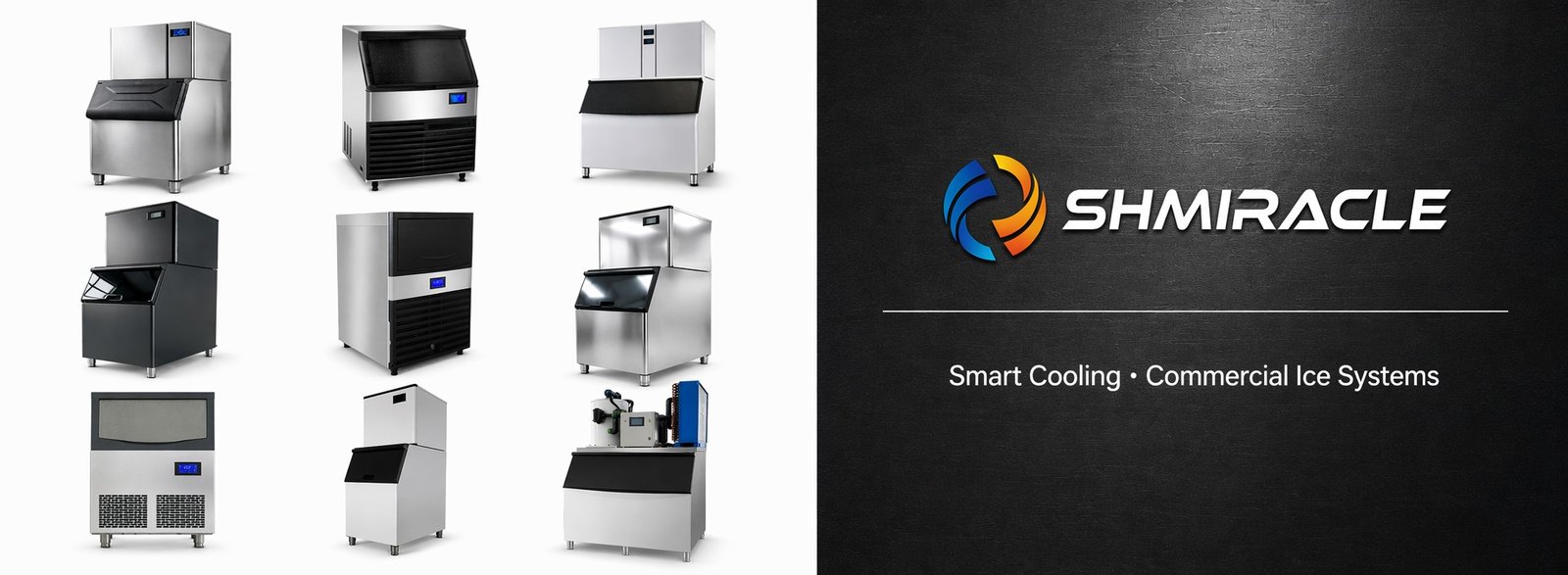
The global demand for high-quality ice has evolved. It is no longer just about cooling a beverage; it is about the “mouthfeel” of nugget ice, the aesthetic clarity of gourmet cubes, and the preservation efficiency of flake ice. As an industry-leading commercial ice machine provider, SHMIRACLE (VendMachinery) understands that every business has unique requirements. From cooling technologies to refrigerant compliance, every detail matters for your bottom line.
1. The 9 Types of Commercial Ice
The first step in any commercial ice machine buying guide is identifying which ice type best suits your application. Different ice shapes melt at different rates and serve different functional purposes.
| Ice Type | Best Used For | Key Benefits | Equipment Link |
|---|---|---|---|
| Cube Ice | Restaurants, Bars, Hotels | Slow melting, classic look, high liquid displacement. | commercial cube ice machine |
| Nugget Ice | Hospitals, Cafes, Fast Food | Chewable, absorbs drink flavor, “Sonic-style” ice. | commercial nugget ice machine |
| Flake Ice | Seafood Displays, Buffets | Soft, packs well, high surface area for rapid cooling. | commercial flake ice machine |
| Shaved Ice | Desserts, Smoothies | Fine texture, perfect for syrups and toppings. | commercial shaved ice machine |
| Powder Snow | Bingsu, Specialized Desserts | Extremely fine, fluffy snow texture. | powder snow ice machine |
| Bullet Ice | Small Offices, Breakrooms | Quick production, unique hollow shape. | countertop bullet ice maker |
| Square/Crescent | High-volume Bars | Uniform shape, prevents “bridging” in bins. | square and crescent ice maker |
| Crushed Ice | Cocktails, Medical Use | Consistent small pieces from larger cubes. | commercial ice crusher machine |
| 3-in-1 Ice | Versatile Multi-purpose | Multiple ice shapes from a single unit. | commercial 3-in-1 ice maker |
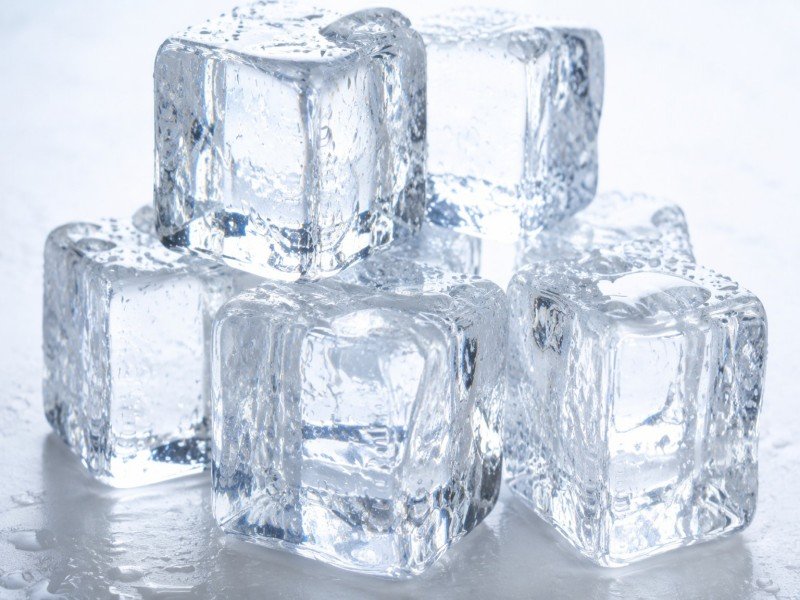
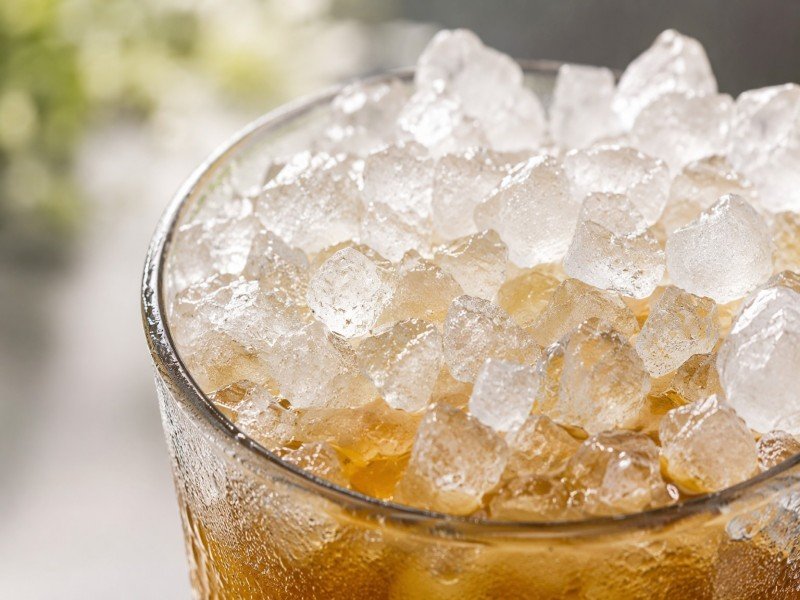
Cube Ice: Often considered the standard for an ice machine for restaurant use. Its density ensures that drinks remain cold without becoming diluted too quickly. It is the most common choice for “on-the-rocks” beverages.
Nugget Ice: Also known as pellet ice, it is the most popular trend in 2026. Because it is porous, it retains the flavor of the beverage. It is also the preferred type for healthcare facilities because it is easy to chew and reduces the risk of choking.
2. How to Calculate Your Daily Ice Requirement
One of the most common mistakes when following a commercial ice machine buying guide is underestimating capacity. Running out of ice during a peak Friday night rush is a disaster for any hospitality manager.
Use the following benchmarks to estimate your daily production needs (based on 24-hour capacity):
| Establishment Type | Daily Requirement Benchmark |
|---|---|
| Restaurant (Dining) | 1.5 lbs to 2 lbs per seat |
| Cocktail Bar | 3 lbs per seat |
| Hotel (Guest Ice) | 5 lbs per room |
| Hospital / Healthcare | 10 lbs per bed |
| Cafe / Coffee Shop | 1 lb per customer (cold drinks) |
The Golden Formula:
(Expected Customers/Day x Benchmark Lbs/Customer) + 20% Safety Margin = Required 24h Production Capacity.
For example, if you run a restaurant with 100 seats, you should aim for at least 200 lbs of ice production per day. However, since ambient temperatures and water temperatures can fluctuate, always add a 20% buffer. Therefore, a 250 lb capacity machine would be the safer choice for this scenario.
3. Integrated vs Split-Unit
When searching for the best commercial ice machine, you must decide on the physical configuration of the unit. This depends largely on your available floor space and production volume.
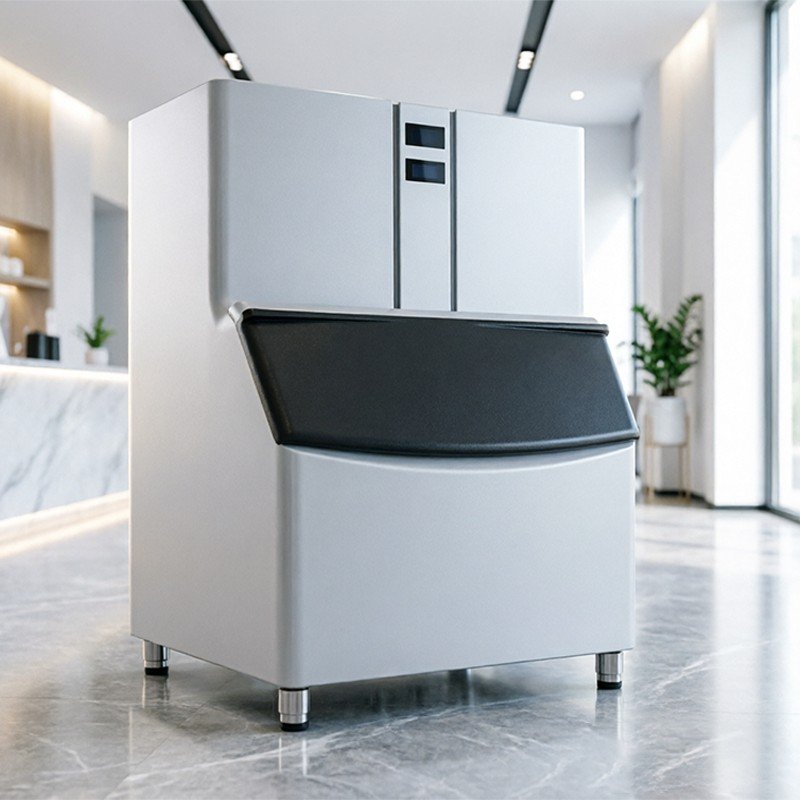
- Integrated (Self-Contained) Units: These units house both the ice maker and the storage bin in a single cabinet. They are compact and ideal for undercounter installations or small cafes. They are easy to install but have limited storage capacity.
- Split-Unit (Modular) Systems: These consist of an ice maker head mounted on top of a separate, high-capacity storage bin. This setup is necessary for high-volume environments like hotels or large restaurants where you need to produce and store 500 lbs to 2,000 lbs of ice daily.
Modular systems offer more flexibility; you can often upgrade the ice head later if your demand increases without replacing the entire storage bin.
4. Air-Cooled vs Water-Cooled
The cooling method of your commercial ice machine significantly impacts your utility bills and installation requirements.
Air-Cooled: These are the most popular because they are easier to install and do not consume extra water for cooling. They require adequate clearance for airflow (usually 6-12 inches) and can increase the ambient temperature of your kitchen. They are generally more energy-efficient and cost-effective for most businesses.
Water-Cooled: These are used in environments where air temperatures are consistently above 90°F (32°C) or where space is too tight for proper ventilation. While they operate quietly and don’t heat up the room, they use a significant amount of water, which can lead to higher utility costs and may be restricted by local environmental regulations.
5. R290 vs R22 Refrigerant
Environmental regulations have fundamentally changed how to choose a commercial ice machine in 2026. The shift toward natural refrigerants is no longer optional in many regions.
| Refrigerant Type | Environmental Impact | Efficiency | Availability |
|---|---|---|---|
| R290 (Propane) | Eco-friendly, GWP < 3 | Higher thermodynamic efficiency | Standard for 2026 models |
| R22 / R404A | Phase-out status, high GWP | Lower efficiency | Discontinued/Legacy parts only |
R290 is a natural refrigerant with a Global Warming Potential (GWP) of less than 3. Not only is it better for the planet, but it also allows the machine’s compressor to run more efficiently, reducing your electricity consumption by up to 15-20% compared to legacy models. As a responsible ice machine manufacturer, SHMIRACLE uses R290 in all our latest 2026 series machines.
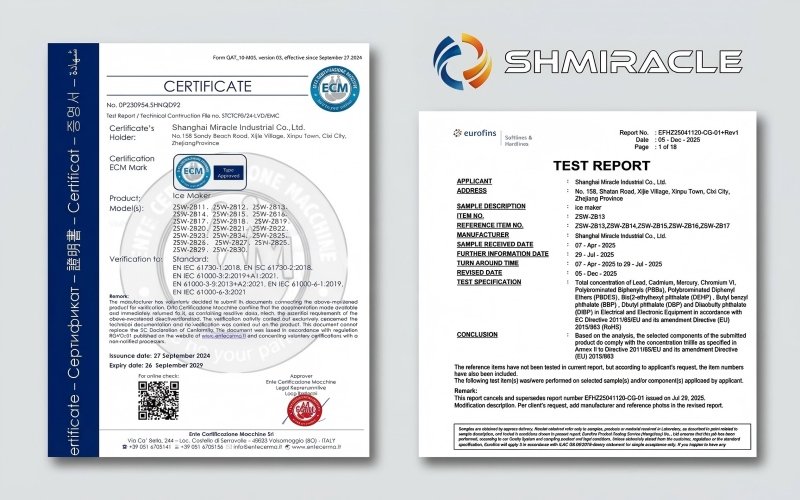
6. Certification Checklist: CE, RoHS, ETL
Never purchase a commercial ice machine that lacks international certifications. These labels are your assurance of safety, quality, and compliance with health codes.
- CE (Conformité Européenne): Mandatory for equipment sold in the European Economic Area, ensuring the product meets high safety, health, and environmental protection requirements.
- RoHS: Restricts the use of specific hazardous materials in electrical and electronic products, ensuring your ice is safe from chemical contamination.
- ETL / NSF: Critical for North American markets. NSF (National Sanitation Foundation) certification is particularly important for food safety, as it ensures the machine is designed for easy cleaning and prevents bacteria growth.
7. OEM vs Off-the-Shelf
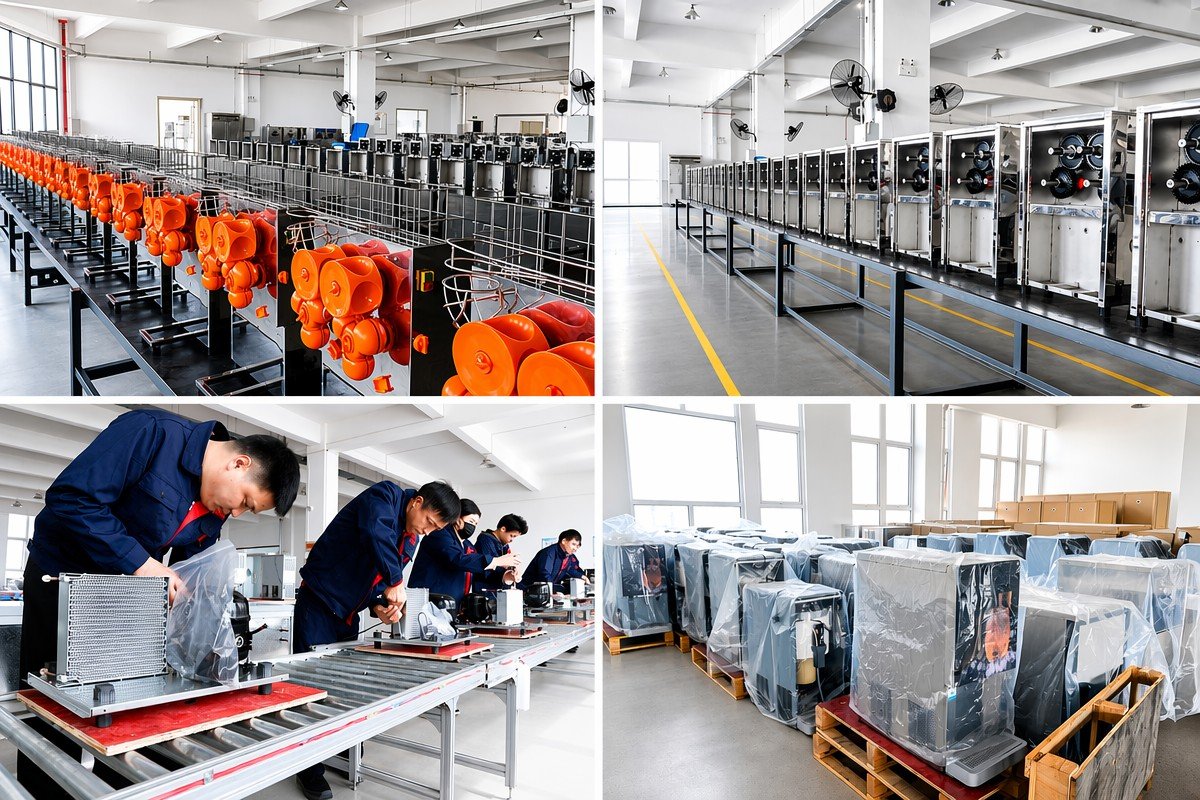
Buying directly from a factory provides advantages that go beyond just the initial purchase price. When you work with an ice machine manufacturer like SHMIRACLE, you gain access to OEM (Original Equipment Manufacturer) customization.
Why Factory-Direct Matters:
- Customization: We can adjust bin sizes, branding, and even voltage requirements (110V/60Hz vs 220V/50Hz) to match your specific region.
- Quality Control: By cutting out the middleman, you ensure that the unit has undergone rigorous testing at the source.
- Technical Support: Direct access to the engineers who designed the machine means faster troubleshooting and easier parts sourcing.
- Cost Savings: Factory-direct prices are often 30-40% lower than retail prices found at local distributors.
8. Factory Price Guide
Estimated factory-direct pricing for 2026. Note: Prices vary based on daily production capacity (KG/LB) and specific features.
| Model Category | Production Capacity | Est. Factory Price (USD) | Product Details |
|---|---|---|---|
| Small Countertop Bullet | 15kg – 25kg / Day | $180 – $350 | countertop bullet ice maker |
| Undercounter Cube Maker | 40kg – 80kg / Day | $450 – $750 | commercial cube ice machine |
| Medium Nugget Ice Unit | 100kg – 150kg / Day | $850 – $1,400 | commercial nugget ice machine |
| Industrial Flake Machine | 500kg – 1000kg / Day | $2,500 – $4,800 | commercial flake ice machine |
| Bingsu Snow Machine | 120kg – 200kg / Day | $1,100 – $1,900 | powder snow ice machine |
9. Summary: 5-Step Decision Framework
To conclude this commercial ice machine buying guide, follow these five steps to finalize your purchase:
- Determine Ice Type: Do you need cubes for drinks, nuggets for chewing, or flakes for display?
- Calculate Peak Load: Use the capacity table to find your daily poundage, then add 20%.
- Select Cooling & Refrigerant: Opt for Air-Cooled R290 units for maximum efficiency and future-proofing.
- Measure Your Space: Ensure you have the width, height, and depth (plus clearance) for your chosen model.
- Verify Certification: Only buy units with CE, ETL, or NSF marks to ensure health code compliance.
Explore the Full SHMIRACLE Range
Find the perfect fit for your business by browsing our specialized product categories:
- commercial cube ice machine – The industry standard for bars and restaurants.
- commercial nugget ice machine – The favorite for cafes and healthcare.
- commercial flake ice machine – Essential for seafood and supermarket displays.
- commercial shaved ice machine – Professional tools for snow cones and cocktails.
- bingsu ice machine – Authentic Korean snow ice technology.
- countertop bullet ice maker – Compact solutions for small offices.
- square and crescent ice maker – High-performance geometric ice.
- commercial ice crusher machine – Heavy-duty crushing for diverse needs.
- commercial 3-in-1 ice maker – The ultimate versatility in ice production.
Ready to upgrade your ice production? Contact the experts at SHMIRACLE today. We provide factory-direct quotes, OEM customization, and global shipping to ensure you get the best equipment for your investment.
Get a Fast Quote: Contact Our Sales Team
Email: info@vendmachinery.com