Transitioning from managing a single pilot pizza kiosk into running an enterprise-scale automated food service route requires professional supply-chain logistics. While operating one machine in a local college dorm can be managed casually, running a 10 to 20 unit vending machine route demands centralized culinary commissary partnerships, temperature-controlled transport vehicles, automated cloud telemetry restocking algorithms, and disciplined HACCP quality controls. This operational playbook outlines the infrastructure needed to build a highly lucrative automated pizzeria route.
Key Takeaways: Automated Pizza Vending Operations
- Hub-and-Spoke Commissary Architecture: Centralize pizza assembly in a licensed commercial kitchen servicing multiple kiosks across a 45-minute delivery radius.
- Refrigerated Transport Fleet: Utilize temperature-controlled cargo vans (2°C–4°C) to maintain the unbroken cold chain from kitchen to machine.
- Telemetry-Driven Dynamic Restocking: Cloud dashboards generate real-time daily pick lists, eliminating stockouts and cutting food waste below 2%.
- Substantial Route Profitability: A 15-machine route generating $200,000+ in monthly gross sales produces over $65,000 in monthly net owner cash flow.
Looking to Deploy a 350°C Fresh-Bake Pizza Vending Machine?
Request factory-direct pricing for the AZ-P01 commercial pizza machine, oven thermal profiles, and turnkey ROI calculators.
Building a Centralized Hub-and-Spoke Commissary Model
The foundation of scalable pizza vending is central commissary efficiency. Operating separate small kitchens for each location is impossible. Instead, successful operators partner with a single large commercial catering bakery or established local pizzeria. Every morning at 6:00 AM, the commissary preps, tops, and vacuums 600 to 1,200 fresh pizzas. Pre-sorted plastic delivery totes and flat-pack box bundles are staged by machine location based on the previous night’s cloud inventory depletion report.
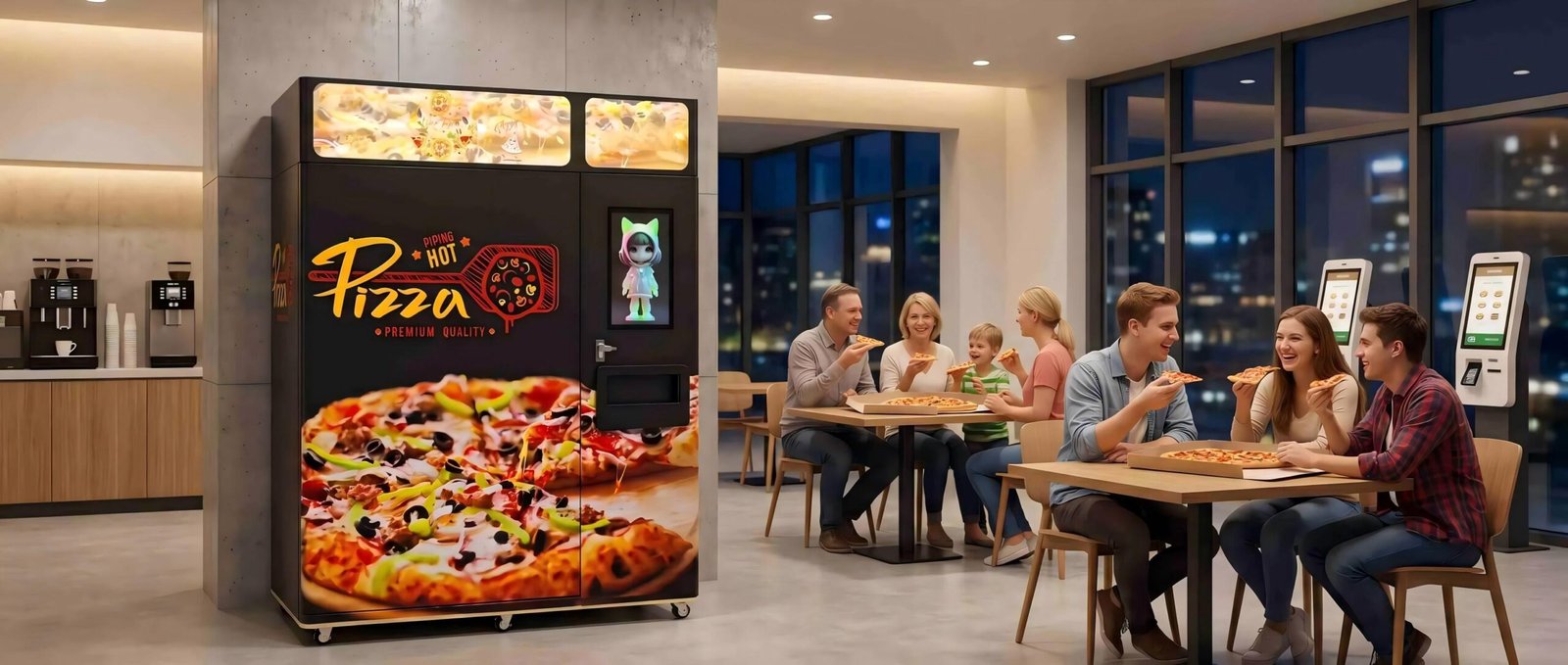
Figure 19: High-density vertical refrigerated carousel architecture supporting up to 72–150 pizzas.
Route Growth Milestones: 1 Machine vs. 5 Machines vs. 20 Machines
| Operational Metric | Pilot Stage (1 Unit) | Regional Route (5 Units) | Enterprise Fleet (20 Units) |
|---|---|---|---|
| Monthly Pizzas Sold | 1,200 pizzas | 6,500 pizzas | 28,000 pizzas |
| Monthly Gross Revenue | $13,500 – $16,000 | $75,000 – $95,000 | $320,000 – $420,000 |
| Monthly Net Cash Flow | $6,500 – $8,500 | $35,000 – $48,000 | $140,000 – $210,000 |
| Delivery Logistics Vehicle | Personal SUV with insulated coolers | Dedicated refrigerated cargo van (4°C) | Two refrigerated high-roof vans (Sprinter/Transit) |
| Daily Restock Duration | 20 minutes / day | 2.0 hours / day (1 driver) | 6 to 8 hours / day (2 route technicians) |
| Commissary Sourcing Tier | Local pizzeria partnership | Commercial wholesale bakery contract | High-volume dedicated commercial pizza plant |
Cold-Chain Transport: Unbroken 4°C Logistics Protocols
Health department regulations mandate an unbroken cold chain from the moment pizzas leave the preparation kitchen until they are loaded into the machine. Route vehicles must be equipped with active transport refrigeration units maintaining cargo bays strictly between 2°C and 4°C. Insulated transfer totes with internal thermal data loggers ensure that even during the 2-minute walk from the van to the hospital breakroom, pizzas remain completely food-safe.
Real 350°C Baking vs. Reheated Microwave Slices
The primary customer objection to automated pizza retail is texture. Consumers reject rubbery, soggy crusts produced by low-end microwave heating. The Miracle AZ-P01 utilizes a high-power commercial ceramic infrared stone oven operating at up to 350°C (662°F). In 3 to 5 minutes, it blisters the crust with authentic pizzeria leopard spotting, melts mozzarella evenly, and dispenses a steaming 10-inch or 12-inch pizza into an automated cardboard box ready for pickup.
Dynamic Route Optimization and Restock Speed
Restocking efficiency determines route labor costs. Field technicians follow a standardized 15-minute restocking SOP: unlock cabinet, check carousel rotation, slide pre-sorted new pizza trays into assigned channels, load flat cardboard boxes into the gravity magazine, wipe the 32-inch touchscreen with disinfectant, and inspect the stone oven deck. Real-time cloud sync updates inventory counts automatically without manual data entry.
Frequently Asked Questions: Commercial Pizza Vending Operations
How many pizza vending machines can one driver service in a day?
A single route driver in a refrigerated van can easily restock and sanitize 8 to 12 machines across a metropolitan area within a standard 6-to-8-hour morning shift.
What type of delivery vehicle is required for a 10-machine route?
A standard compact or mid-size cargo van (such as a Ford Transit Custom or Ram ProMaster City) equipped with a thermo-king refrigeration conversion unit is ideal.
How do operators handle unsold pizzas that reach their expiration date?
Unsold pizzas reaching their 4-day shelf life are removed during daily restocking and recorded in the cloud inventory waste log. Many operators partner with local food rescue charities for immediate same-day donation.
Launch Your 24/7 Automated Pizzeria with Miracle Machinery
Get complete engineering blueprints for the AZ-P01 pizza vending machine, 350°C oven heating schematics, and factory-direct FOB Shanghai pricing.