The culinary quality and profit margins of an automated pizzeria route depend entirely on establishing a reliable ingredient supply chain. Operating a successful pizza vending machine ingredients business does not require you to operate a commercial bakery or mix dough at 4:00 AM. By partnering with wholesale commercial bakeries, local Italian pizzerias, or catering commissaries, operators secure high-quality par-baked crusts, low-moisture whole-milk mozzarella, and premium toppings that bake to crispy perfection in the AZ-P01’s 350°C stone oven.
Key Takeaways: Automated Pizza Vending Operations
- Par-Baked Artisan Crusts: 70% par-baked dough crusts allow the machine’s 350°C oven to finish baking and crisp the rim in just 3 to 5 minutes.
- Low-Moisture Whole-Milk Mozzarella: Prevents excessive water pooling during high-heat baking, creating rich golden blisters and long cheese pulls.
- Commissary Partnership Models: Local pizzerias assemble, top, and vacuum-pack pizzas during slow morning kitchen prep hours.
- Strict Food Cost Control: Total ingredient and packaging costs are maintained between $2.40 and $3.20 per 10-inch artisan pizza.
Looking to Deploy a 350°C Fresh-Bake Pizza Vending Machine?
Request factory-direct pricing for the AZ-P01 commercial pizza machine, oven thermal profiles, and turnkey ROI calculators.
The Anatomy of a Vending Pizza: Par-Baked Dough Science
Attempting to cook a pizza entirely from raw dough in 180 seconds inside a vending kiosk often leaves the center gummy while burning the edges. High-performing automated pizza operations utilize par-baked crusts. The dough is fermented for 24 to 48 hours for deep flavor, rolled, and pre-baked at 70% completion in a commercial bakery before being topped with sauce and cheese. When placed in the AZ-P01’s 350°C stone oven, the final 3-minute bake finishes the dough, blisters the crust rim, and melts the cheese to fresh-from-the-pizzeria perfection.
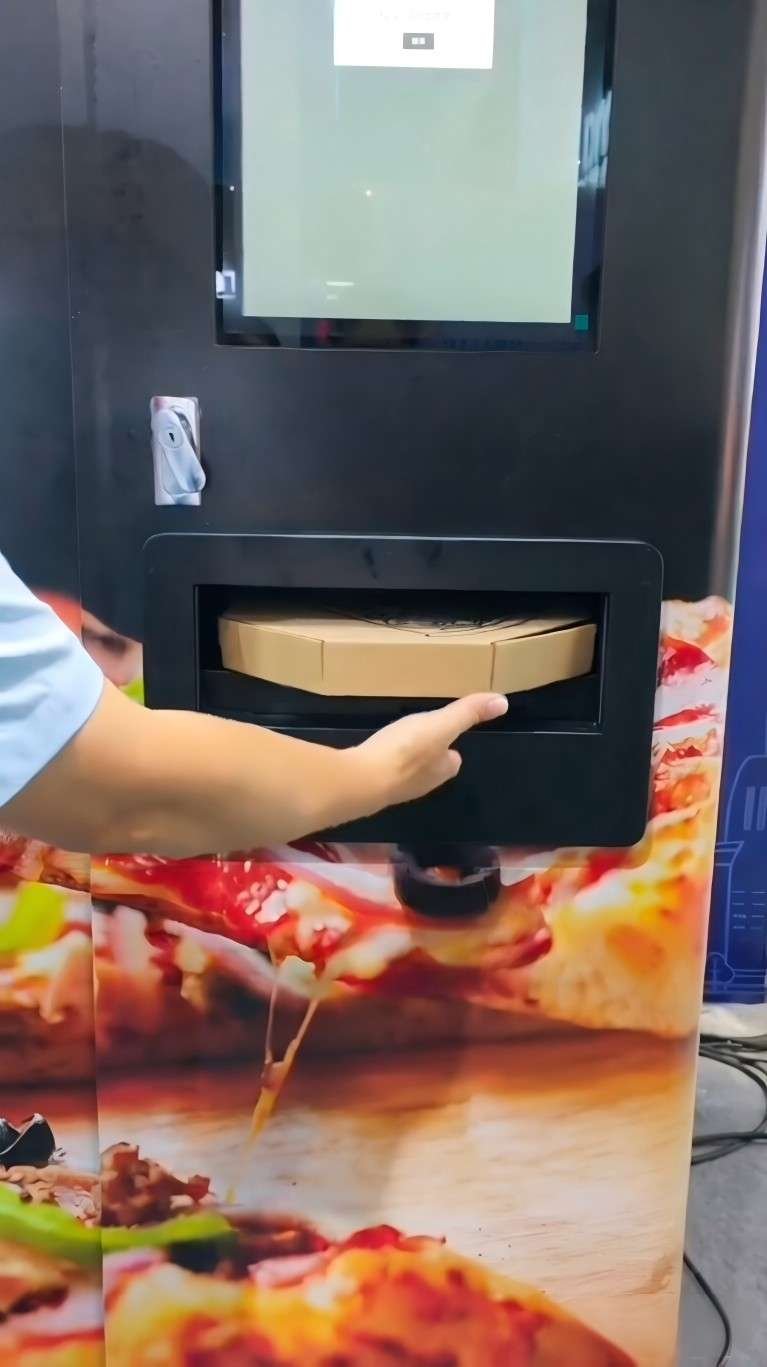
Figure 10: High-quality whole-milk mozzarella and par-baked artisan crust delivering authentic pizzeria dining.
Ingredient Cost Breakdown: 10-Inch Gourmet Pepperoni Pizza
| Ingredient Component | Portion Weight | Wholesale Unit Cost | Culinary Specification |
|---|---|---|---|
| Par-Baked Artisan Crust | 180 grams | $0.85 – $1.15 | High-protein unbleached wheat flour, 24h cold ferment |
| San Marzano Style Pizza Sauce | 70 grams | $0.22 – $0.30 | Crushed plum tomatoes, extra virgin olive oil, oregano |
| Low-Moisture Whole-Milk Mozzarella | 100 grams | $0.85 – $1.10 | Diced whole-milk mozzarella (Prevents water pooling) |
| Cured Pepperoni Slices | 35 grams | $0.45 – $0.60 | Natural casing smoky pork/beef pepperoni slices |
| Cardboard Delivery Box | 1 unit | $0.25 – $0.35 | Custom-printed insulated corrugated cardboard box |
| Total Product Cost of Goods (COGS) | 385 grams | $2.62 – $3.50 | Retail Price: $11.00 – $13.00 (72%–76% Gross Margin) |
Cheese Selection: Why Moisture Content Matters
Using standard fresh mozzarella packed in water creates a disaster in an automated oven, turning the pizza into a soupy puddle. Operators must specify low-moisture whole-milk (or part-skim) shredded or diced mozzarella with a fat content around 45% and moisture content below 50%. This formulation melts smoothly at 280°C–320°C, producing golden caramelization spots and a rich, buttery stretch without separating into greasy puddles.
Real 350°C Baking vs. Reheated Microwave Slices
The primary customer objection to automated pizza retail is texture. Consumers reject rubbery, soggy crusts produced by low-end microwave heating. The Miracle AZ-P01 utilizes a high-power commercial ceramic infrared stone oven operating at up to 350°C (662°F). In 3 to 5 minutes, it blisters the crust with authentic pizzeria leopard spotting, melts mozzarella evenly, and dispenses a steaming 10-inch or 12-inch pizza into an automated cardboard box ready for pickup.
Partnering with Local Pizzerias: The Co-Branded Commissary Model
A brilliant strategy for route operators is partnering with an established, beloved local pizzeria. The local pizzeria prepares, tops, and seals 50 to 100 pizzas every morning during normal prep hours, earning wholesale revenue ($4.50–$5.50/pizza). The operator wraps the machine in the local pizzeria’s branding, leveraging existing brand loyalty to achieve instant trust and sell-out volume on day one.
Frequently Asked Questions: Commercial Pizza Vending Operations
Can raw dough be used instead of par-baked crusts?
While technically possible, raw dough requires longer bake times (6–8 minutes) and carries higher risk of gummy centers. 70% par-baked crusts deliver superior crispness in 3 to 5 minutes.
How long do pre-topped refrigerated pizzas stay fresh?
When sealed with food-grade barrier film and held at 2°C to 4°C, pre-assembled pizzas have a fresh culinary shelf life of 3 to 4 days.
Can operators offer gluten-free or cauliflower crust pizzas?
Yes. Par-baked gluten-free and cauliflower pizza crusts are widely available from commercial food distributors and bake exceptionally well in the AZ-P01 stone oven.
Launch Your 24/7 Automated Pizzeria with Miracle Machinery
Get complete engineering blueprints for the AZ-P01 pizza vending machine, 350°C oven heating schematics, and factory-direct FOB Shanghai pricing.