The financial success of any automated fragrance route depends directly on securing high-quality, long-lasting, and compliant perfume inventory at competitive wholesale pricing. Operating a profitable perfume wholesale vending business requires understanding bulk fragrance formulation, cosmetic alcohol compounding, legal trademark compliance (avoiding counterfeit knock-offs), and sourcing standardized 120ml glass packaging. This comprehensive supply chain guide details how operators maintain 75%+ gross margins while delivering exceptional olfactory quality.
Key Takeaways: Automated Luxury Fragrance Vending
- Bulk Fragrance Oil Compounding: Sourcing high-grade cosmetic fragrance oils ($45–$70/liter) allows operators to bottle luxury-tier perfumes for under $6.00.
- Standardized 120ml Glass Formats: The AZ-Perfume’s channels are calibrated to standard 120ml cylindrical bottles with crimp or screw atomizers.
- Legal Trademark & ‘Inspired-By’ Compliance: Master the legal boundaries of comparative fragrance marketing without infringing trademark rights.
- Extrait & EDP Concentration Standards: Maintaining 18% to 22% oil concentration ensures 8+ hours of scent longevity, driving repeat purchases.
Looking to Deploy a Luxury Perfume Vending Machine?
Download factory-direct pricing for the AZ-Perfume model, try-before-you-buy atomizing spray specs, and wall-mount installation diagrams.
The Economics of Bulk Fragrance Compounding
Purchasing brand-name designer perfumes at wholesale discount ($45–$65/bottle) leaves thin retail margins in vending machines. In contrast, smart operators partner with accredited fragrance compounding laboratories in the USA, France, or Dubai. These laboratories produce high-quality ‘inspired-by’ Eau de Parfum (EDP) oils adhering to IFRA (International Fragrance Association) safety standards. Compounding 20% fragrance oil with 80% perfumer’s alcohol (denatured SDA 40-B) costs roughly $0.04 to $0.06 per milliliter, allowing operators to package 120ml bottles for under $6.50 total.
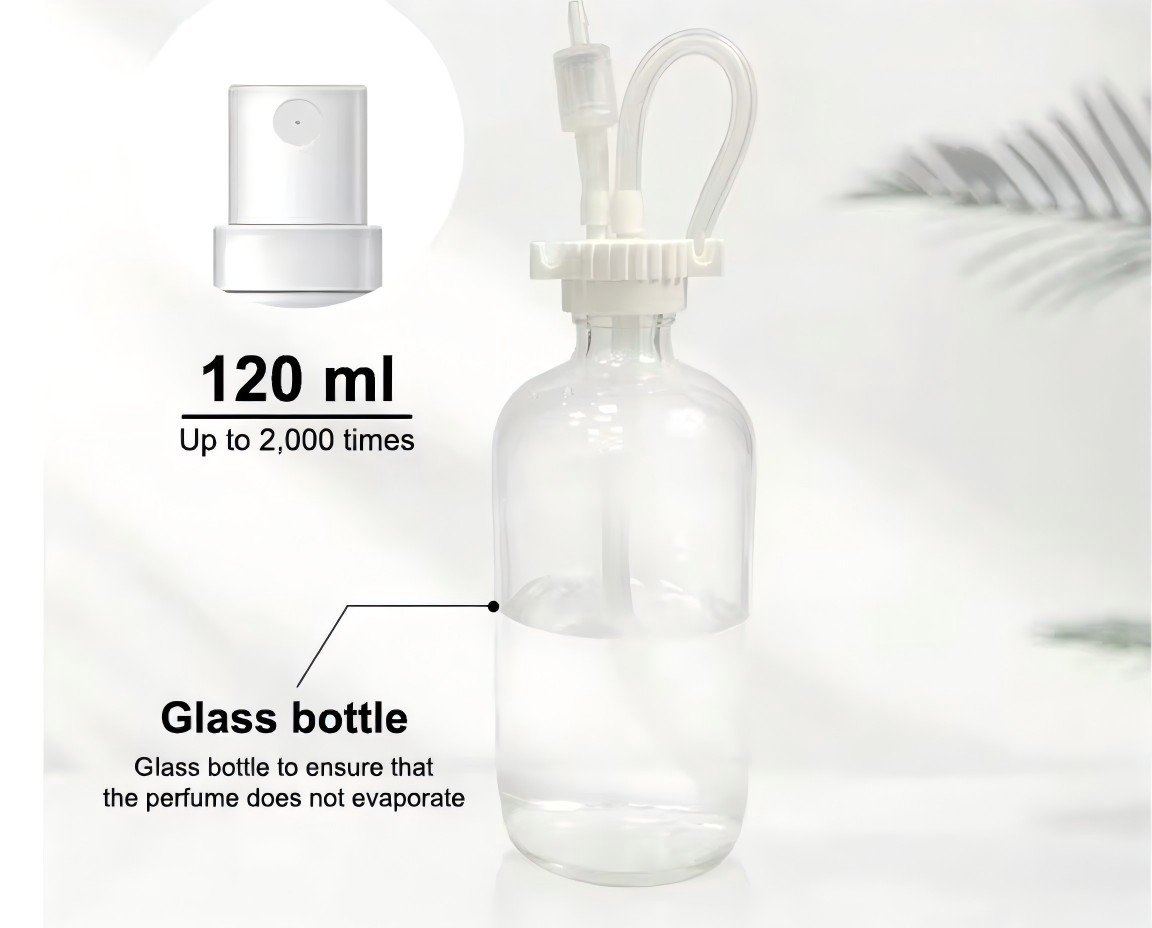
Figure 14: Standardized 120ml luxury glass fragrance bottle format delivering high-margin retail revenue.
Packaging & Compounding Cost Breakdown: 120ml Luxury Eau de Parfum
| Component Item | Unit Cost (USD) | Cost Percentage | Quality Specification |
|---|---|---|---|
| Fragrance Oil Concentrate (24ml @ 20%) | $1.80 – $2.40 | 32% – 35% | Accredited French/Swiss oil blend, IFRA compliant |
| Perfumer’s Denatured Alcohol (96ml) | $0.65 – $0.90 | 12% – 15% | Cosmetic grade SDA 40-B alcohol (Zero chemical odor) |
| 120ml Cylindrical Glass Bottle | $1.40 – $1.90 | 25% – 28% | Heavy-base cosmetic flint glass with metallic crimp collar |
| Fine Mist Sprayer & Overcap | $0.55 – $0.80 | 10% – 12% | Anodized aluminum pump with micro-atomizer orifice |
| Custom Metallic Label & Box | $0.60 – $0.95 | 12% – 15% | Waterproof foil-stamped label and rigid presentation box |
| Total Finished 120ml Product Cost | $5.00 – $6.95 | 100% | Retail Price: $24.00 – $32.00 (75%–78% Gross Margin) |
Trademark Law and Legal Scent Marketing Compliance
When selling fragrances inspired by famous designer scents (such as Baccarat Rouge 540, Dior Sauvage, or Chanel No. 5), operators must strictly obey trademark laws. You cannot use registered brand logos or claim the product is manufactured by the original designer. Under United States and European commercial law, comparative advertising is legal provided you use clear disclaimers: ‘Our scent profile is inspired by [Brand], but is an independent creation with no affiliation to [Brand]’.
Try-Before-You-Buy: Removing the #1 Barrier in Fragrance Retail
In traditional beauty retail, fragrance purchases without sampling have a return and dissatisfaction rate exceeding 35%. Consumers refuse to blind-buy perfumes. The Miracle AZ-Perfume solves this with its innovative Try-Before-You-Buy sampling cycle: customers select any of the 5 featured fragrance profiles on the 10.1″ touchscreen and receive an automated, fine-mist sample spray to evaluate scent notes before completing payment, driving conversion rates above 42%.
Packaging Standardization for AZ-Perfume Channels
The AZ-Perfume’s mechanical release pushers are engineered around standard cylindrical or rectangular 120ml bottles (approx. 45–55 mm diameter, 140–160 mm height). Miracle supplies pre-tested empty bottle packaging or CAD dimensional templates, ensuring your custom-bottled inventory slides smoothly through the internal channels without jamming.
Frequently Asked Questions: Commercial Perfume Vending Operations
Where can I source wholesale IFRA-certified fragrance oils?
Operators source bulk oils from established fragrance compounding houses like Wellington Fragrance, Crafter’s Choice, or specialized French/Dubai perfume labs that provide official IFRA Certificates of Analysis.
What is the difference between EDT and EDP concentration in vending?
Eau de Toilette (EDT) contains 8%–12% oil and lasts 3–4 hours. Eau de Parfum (EDP) contains 15%–20% oil and lasts 6–8 hours. Vending operators should always bottle EDP to guarantee strong customer satisfaction.
Can I sell authentic name-brand designer perfumes in the machine?
Yes. If purchasing genuine designer travel bottles through authorized cosmetic distributors, the First Sale Doctrine legally permits you to resell authentic products in automated retail kiosks.
Launch Your 24/7 Automated Fragrance Boutique with Miracle Machinery
Get complete engineering blueprints for the AZ-Perfume vending machine, atomizing nozzle schematics, and factory-direct FOB Shanghai pricing.