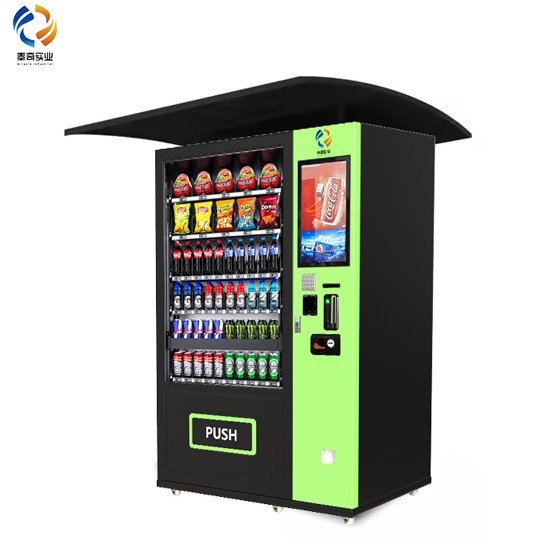
In traditional vending, operators struggle with razor-thin margins: a chocolate bar bought for $0.90 sells for $1.75, yielding less than a dollar in gross profit before expiring in 60 days. In contrast, otc medicine vending machines operate on completely different retail economics: average transaction values exceed $14.00, gross margins average 65% to 82%, and inventory remains fresh in sealed blister packaging for up to 3 years. This financial guide models unit economics, inventory turnover, and monthly net cash flows for 2026.
Key Takeaways & Executive Summary
- 6x Higher Average Order Value ($11–$18): Medicine shoppers buy urgent health relief, driving high single-transaction ticket sizes.
- 65%–82% Gross Profit Margins: Wholesale pain relievers, allergy packs, and wellness products carry extraordinary retail markups.
- 36-Month Shelf-Life Longevity: Sealed pharmaceutical packaging eliminates the spoilage and stale waste common to food vending.
- Recession-Proof Demand: Health and emergency pain relief are non-discretionary necessities purchased regardless of economic downturns.
Model Your Pharmacy Vending Profitability
Download our interactive Excel revenue projection spreadsheet and OTC margin calculator.
Unit Economics: Snack Vending vs. OTC Pharmacy Vending
Compare the dramatic profitability differences between traditional snack vending and high-value pharmaceutical retail:
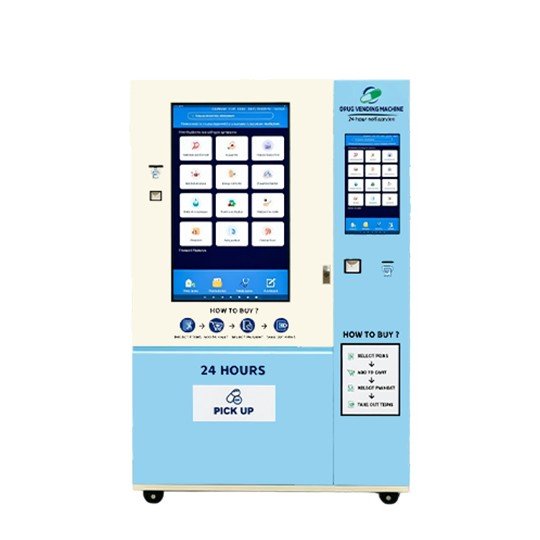
Figure 1: High-margin OTC pain relievers, cold medicines, and eye drops arranged in modular pusher channels.
Capture High-Margin Healthcare Retail with SHMIRACLE
Factory direct supply with modular channels engineered for pharmaceutical boxes.
Explore More Commercial Vending Solutions & Buyer Guides:
• Commercial OTC Pharmacy Vending Machines
• Pharmacy Vending Machine Complete Buyer’s Guide 2026