Operating an automated frozen dessert kiosk is one of the highest-margin ventures in commercial vending. While traditional beverage or snack machines yield modest profits selling $1.75 items, an ice cream vending machine profit model combines high average ticket sizes ($3.50–$5.50) with exceptional 65% to 75% gross margins. By eliminating waitstaff, scoop counters, and expensive storefront leases, an automated ice cream kiosk generates substantial monthly net profits. In this operational financial model, we quantify daily sales thresholds, break-even velocity, and realistic payback schedules.
Key Takeaways: Automated Frozen Dessert & Ice Cream Vending
- High Average Ticket Size: Average transactions range from $3.75 to $5.25, generating substantial gross cash flow from modest foot traffic.
- Low Break-Even Threshold: Selling just 7 to 9 ice cream bars daily covers all monthly location rent, electricity, and telecommunications costs.
- Strong Monthly Cash Flow: High-traffic locations generating 50 to 80 units daily produce $3,500 to $6,500 in monthly net pre-tax profit.
- Predictable Inventory Turnover: Pre-packaged branded frozen treats have a long shelf life, eliminating the food waste of fresh baked goods.
Looking to Deploy a −18°C to −25°C Deep-Freeze Ice Cream Vending Machine?
Download factory-direct pricing for AZ-FRZ01 & AZ-FRZ02 models, defogging glass specs, and turnkey ROI calculators.
Revenue Dynamics: The Power of Impulse Frozen Treats
In commercial retail, ice cream is an emotional impulse purchase. When customers are hot, relaxed, or celebrating on weekends, an eye-catching, brightly illuminated frozen dessert display triggers immediate spontaneous buying. A box of wholesale brand-name ice cream bars costs approximately $1.10 to $1.50 per unit. When sold through an AZ-FRZ kiosk for $4.25, the operator captures $2.75 to $3.15 in gross margin on every single vend, requiring far fewer transactions than soda machines to achieve six-figure annual route revenues.
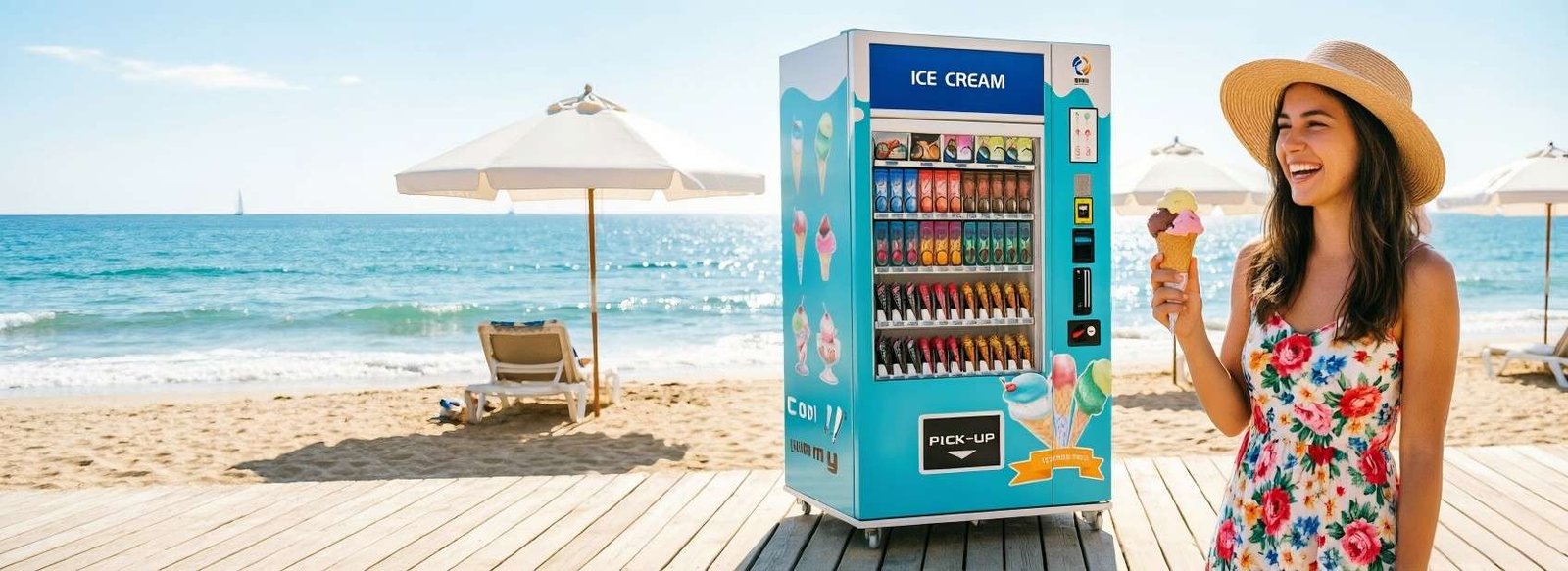
Figure 6: High-density frozen novelty layout generating strong impulse sales through clear defogged glass.
Daily Sales Volume vs. Monthly Net Profit Matrix (AZ-FRZ02)
| Daily Sales Volume | Monthly Units Sold | Monthly Gross Sales (@$4.25) | Product COGS (@$1.30) | Rent & Utilities | Net Monthly Pre-Tax Profit |
|---|---|---|---|---|---|
| 15 units / day | 450 units | $1,912 | $585 | $550 | $777 |
| 30 units / day | 900 units | $3,825 | $1,170 | $850 | $1,805 |
| 50 units / day | 1,500 units | $6,375 | $1,950 | $1,350 | $3,075 |
| 75 units / day | 2,250 units | $9,562 | $2,925 | $1,850 | $4,787 |
| 100 units / day (Peak) | 3,000 units | $12,750 | $3,900 | $2,450 | $6,400 |
Optimizing Location Rent: Flat Rent vs. Revenue Share
When negotiating location contracts with shopping malls, public pools, or amusement parks, operators typically structure agreements as either a fixed monthly flat rent ($400–$800) or a percentage revenue-share model (12% to 18% of gross sales). In high-volume venues generating 60+ sales daily, flat rent structures maximize operator profits, while revenue-share models provide downside protection during off-peak rainy periods.
−18°C to −25°C Continuous Deep-Freeze: Zero Melting Guarantee
The primary risk in automated frozen retail is temperature creep during hot summer months. Even a brief fluctuation to −10°C causes ice crystallization, texture degradation, and collapsed packaging. The Miracle AZ-FRZ series incorporates heavy-duty commercial Embraco/Secop compressors charged with eco-friendly R290 refrigerant and dual-layer polyurethane insulation, maintaining an unbroken −18°C to −25°C deep freeze even when ambient outdoor temperatures exceed 35°C (95°F).
Multi-Seasonal Product Mix: Defeating the Winter Dip
A common concern for new operators is winter seasonality. Smart operators overcome this by adjusting their product mix between October and March. The AZ-FRZ’s 36 to 50 independent channels can be converted to sell frozen ready-to-heat comfort foods: Belgian waffles, frozen cookie dough packs, pizza pockets, and microwaveable dumplings, maintaining consistent year-round cash flow.
Frequently Asked Questions: Commercial Ice Cream Vending Operations
Are ice cream vending machines profitable during winter months?
Yes. By introducing premium artisan pints, mochi ice cream, and frozen ready-meals, indoor machines located in university dorms and residential towers maintain steady year-round profitability.
How many ice cream bars must I sell daily to break even?
In most commercial locations with $600 to $800 monthly rent and electricity, selling just 7 to 9 ice cream bars per day covers all fixed operating overhead.
What is the typical inventory turnover rate?
Given a 250-to-360 piece capacity, a machine selling 40 to 60 units daily turns over its entire inventory every 5 to 7 days, requiring quick weekly restocking visits.
Launch Your 24/7 Automated Frozen Dessert Route with Miracle Machinery
Get complete engineering blueprints for the AZ-FRZ01 & AZ-FRZ02 frozen food and ice cream vending machines, defogging glass specs, and factory-direct FOB Shanghai pricing.