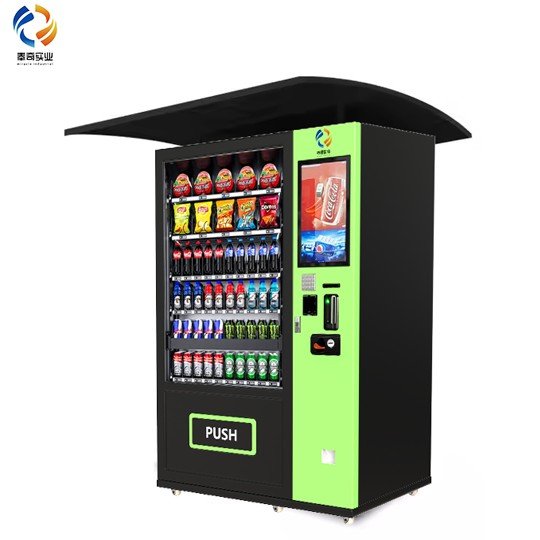
In automated fresh meat and grocery vending, packaging is an essential engineering component that protects food safety, extends shelf life, and guarantees smooth mechanical dispensing. Unlike dry snacks, raw proteins contain meat juices and liquids that can leak and contaminate the machine if packaging seals fail. Selecting the proper meat vending machine packaging—specifically Vacuum Skin Packaging (VSP) on rigid barrier trays—prevents leakage, maintains deep-freeze and chilled integrity, and ensures packages slide smoothly through the AZ-Meat’s 50 channels without jamming.
Key Takeaways: Automated Fresh Food & Meat Vending Solutions
- Vacuum Skin Packaging (VSP) Superiority: Skin-tight barrier film seals meat firmly to rigid trays, preventing purge liquid leakage completely.
- Extended Chilled Shelf Life: High-barrier multi-layer films extend fresh beef shelf life to 21 days at 0°C to 2°C without freezing.
- Puncture-Resistant Bone Guards: Heavy-gauge 100–150 micron barrier films prevent sharp T-bone or rib bone puncturing.
- Standard Dimension Tooling: Designing meat trays within standardized 215 × 160 mm footprints maximizes 50-channel loading capacity.
Looking to Deploy a 24/7 Fresh Meat or Grocery Vending Kiosk?
Request factory-direct pricing for the Miracle −18°C to +25°C meat and fresh grocery vending machines, HACCP logging specs, and farm-to-table ROI models.
Why Traditional Foam Trays Fail in Vending Machines
Supermarket-style styrofoam trays with loose PVC stretch film are completely unsuitable for automated vending machines. During spiral coil rotation or elevator transfer, rough handling can tear thin stretch wrap, allowing meat juices to leak onto lower shelves. Furthermore, stretch wrap allows atmospheric oxygen ingress, turning red beef brown within 3 to 5 days. High-performing automated meat operations utilize Vacuum Skin Packaging (VSP) on rigid polypropylene or cardboard barrier trays. The skin film adheres like a second skin over the meat, completely eliminating purge and locking in natural juices.

Figure 9: Heavy-duty vacuum skin packaging (VSP) providing leakproof integrity and crystal-clear cut visibility.
Packaging Material Comparison for Fresh Meat Vending
| Packaging Format | Oxygen Barrier (Shelf Life) | Leak Resistance | Vending Coil Reliability | Cost Per Pack |
|---|---|---|---|---|
| Vacuum Skin Packaging (VSP) Rigid Tray | Exceptional (14 to 21 days chilled) | 100% Leakproof hermetic seal | ★★★★★ (Rigid flat sliding edge) | $0.28 – $0.42 / pack |
| Heavy-Gauge Vacuum Pouch (Smooth) | High (10 to 14 days chilled) | 100% Leakproof seal | ★★★★☆ (May flex in large sizes) | $0.18 – $0.28 / pack |
| Modified Atmosphere Packaging (MAP) | High (10 to 14 days chilled) | Good (Gas puffed lid) | ★★★☆☆ (Puffed lid can catch coils) | $0.32 – $0.48 / pack |
| Styrofoam Tray + PVC Stretch Wrap | Very Low (3 to 4 days chilled) | Poor (High leakage risk) | ★☆☆☆☆ (PROHIBITED IN VENDING) | $0.10 – $0.15 / pack |
Puncture Resistance for Bone-In Meat Cuts
Bone-in cuts—such as T-bone steaks, lamb chops, and bone-in ribeyes—present sharp bone edges that can puncture thin vacuum films during dispensing. Operators packaging bone-in cuts utilize heavy-duty 150-micron puncture-resistant co-extruded films or apply wax bone-guard sheets over sharp bone points before vacuum sealing, ensuring package integrity is never compromised.
HACCP Multi-Zone Precision: −18°C to +25°C Versatility
Fresh grocery and meat retail requires uncompromising temperature governance. The Miracle commercial meat and fresh food kiosk operates across three distinct modes: Frozen (−18°C to −10°C) for frozen beef and seafood; Chilled (0°C to +8°C) for fresh raw steaks, sausages, poultry, and pre-packed salads; and Cool (+8°C to +25°C) for dry-aged cuts and cured salamis. Equipped with continuous digital HACCP logging and UV-C germicidal sanitation, it delivers 100% regulatory compliance with zero counter staff overhead.
Standardizing Packaging Footprints for 50-Channel Capacity
The Miracle AZ-Meat’s 50 channels are optimized around standard European and North American meat tray footprints (typically 210–230 mm length × 140–160 mm width × 30–50 mm depth). Standardizing your butcher trays ensures each channel holds 5 to 7 stacked steaks, maximizing the machine’s total inventory capacity to 250–350 total cuts.
Frequently Asked Questions: Commercial Fresh Food & Meat Vending
What type of vacuum sealing machine is recommended for small butcher shops?
A tabletop commercial chamber vacuum sealer or semi-automatic tray skin pack machine ($2,500–$5,500) capable of sealing 200 to 400 packs per hour is ideal for startup operations.
Does vacuum-packed beef change color inside the machine?
In the absence of oxygen, vacuum-packed fresh beef naturally takes on a darker purplish-red hue. Once the customer opens the package at home, exposure to oxygen causes the meat to ‘bloom’ back to bright cherry red within 15 minutes.
Can frozen meat be packaged in the same trays as fresh meat?
Yes! High-density CPET and polypropylene VSP trays are freeze-thaw stable from −40°C to +120°C, performing flawlessly in both Frozen and Chilled modes.
Launch Your 24/7 Automated Butcher & Fresh Food Hub with Miracle Machinery
Get complete engineering blueprints for the Miracle meat and fresh food vending machine, −18°C to +25°C multi-zone refrigeration specs, and direct factory-direct FOB Shanghai pricing.