Transitioning from managing a single pilot ice cream kiosk into running an enterprise-scale automated frozen dessert route requires professional supply-chain logistics. While operating one machine at a local community pool can be managed casually, running a 10 to 20 unit vending machine route demands centralized deep-freeze storage warehousing, temperature-controlled delivery vehicles, automated cloud telemetry restocking algorithms, and disciplined seasonal route planning. This operational playbook outlines the infrastructure needed to build a highly lucrative automated frozen dessert enterprise.
Key Takeaways: Automated Frozen Dessert & Ice Cream Vending
- Centralized Deep-Freeze Storage Hub: Establish a commercial walk-in or multi-chest freezer storage facility holding 1,500+ backup novelties.
- Cold-Chain Transport Vehicles: Utilize insulated transport coolers or refrigerated cargo vans maintaining −18°C throughout route circuits.
- Telemetry-Driven Dynamic Restocking: Cloud dashboards alert you when slot stock drops below 30%, cutting unnecessary service visits by 40%.
- Substantial Route Profitability: A 15-machine route generating $90,000+ monthly revenue produces over $38,000 in monthly net owner cash flow.
Looking to Deploy a −18°C to −25°C Deep-Freeze Ice Cream Vending Machine?
Download factory-direct pricing for AZ-FRZ01 & AZ-FRZ02 models, defogging glass specs, and turnkey ROI calculators.
Building a Centralized Deep-Freeze Storage Hub
Efficient route operations begin at your central inventory hub. Buying ice cream case-by-case from retail stores destroys margins. Successful operators install commercial chest freezers or lease a small walk-in freezer space in a light-industrial storage unit. Ordering frozen master pallets directly from regional distributors secures bottom-tier wholesale pricing ($0.85–$1.20/unit). Pre-sorted plastic delivery totes are staged by machine location based on the previous night’s cloud inventory depletion report.
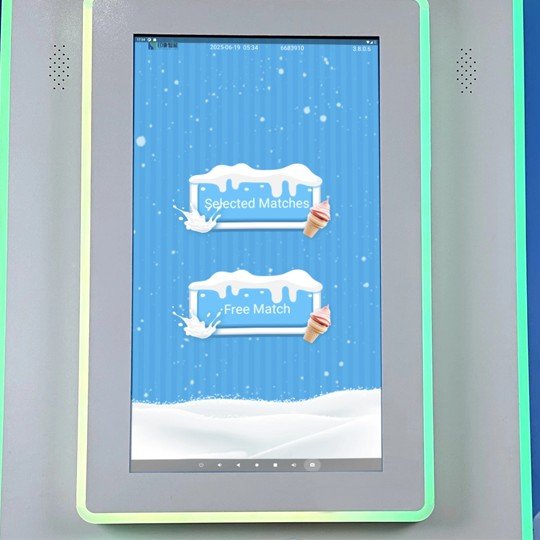
Figure 15: Systematic channel organization and dense inventory staging facilitating rapid 15-minute restock cycles.
Route Growth Milestones: 1 Machine vs. 5 Machines vs. 20 Machines
| Operational Metric | Pilot Stage (1 Unit) | Regional Route (5 Units) | Enterprise Fleet (20 Units) |
|---|---|---|---|
| Monthly Units Sold | 1,200 units | 6,500 units | 28,000 units |
| Monthly Gross Revenue | $4,800 – $6,200 | $26,000 – $34,000 | $115,000 – $150,000 |
| Monthly Net Cash Flow | $2,200 – $3,100 | $12,000 – $17,000 | $52,000 – $75,000 |
| Weekly Labor Hours | 2 to 3 hours / week | 8 to 12 hours / week | 30 to 40 hours / week (1 FTE) |
| Warehouse Facility Needed | Garage chest freezer (20 cu ft) | Commercial storage unit with 3 freezers | Small commercial walk-in freezer hub |
| Logistics Transport | Personal SUV with cooler & dry ice | Compact cargo van with 12V freezer | Dedicated refrigerated cargo van (Sprinter/Transit) |
Telemetry-Driven Route Optimization: Eliminate Wasted Trips
In traditional vending, operators run static weekly routes, often arriving at machines that are still 90% full or discovering to their dismay that a machine sold out days earlier. Miracle’s cloud telemetry software dynamically calculates real-time depletion rates. The route management portal automatically sequences daily driving routes based on GPS clustering, ensuring service technicians only visit machines that have achieved the optimal restocking threshold, reducing fuel and vehicle maintenance costs.
−18°C to −25°C Continuous Deep-Freeze: Zero Melting Guarantee
The primary risk in automated frozen retail is temperature creep during hot summer months. Even a brief fluctuation to −10°C causes ice crystallization, texture degradation, and collapsed packaging. The Miracle AZ-FRZ series incorporates heavy-duty commercial Embraco/Secop compressors charged with eco-friendly R290 refrigerant and dual-layer polyurethane insulation, maintaining an unbroken −18°C to −25°C deep freeze even when ambient outdoor temperatures exceed 35°C (95°F).
Establishing Standardized Quality Control & Audit SOPs
As route operations expand, maintaining pristine machine presentation is vital to brand equity. Technicians follow a strict 5-minute QC protocol during every visit: clean the heated defogging glass with antistatic disinfectant, wipe the retrieval door seals, test one live vend transaction, and verify that interior temperatures hold steady below −18°C.
Frequently Asked Questions: Commercial Ice Cream Vending Operations
How many ice cream vending machines can one person manage alone?
Working part-time (15–20 hours per week), a single operator can comfortably manage 8 to 12 machines. Full-time, one dedicated technician can easily manage a route of 20 to 25 units.
What type of vehicle is needed to service an ice cream route?
For a 5-to-10 machine route, a standard compact SUV or cargo van carrying commercial insulated rotomolded coolers with dry ice or a plug-in 12V portable deep-freeze chest is ideal.
How do operators track machine revenue across multiple locations?
Nayax’s cloud merchant portal provides real-time dashboard analytics, breaking down revenue, transaction counts, and settlement payouts by individual machine serial number.
Launch Your 24/7 Automated Frozen Dessert Route with Miracle Machinery
Get complete engineering blueprints for the AZ-FRZ01 & AZ-FRZ02 frozen food and ice cream vending machines, defogging glass specs, and factory-direct FOB Shanghai pricing.