Automated beauty retail delivers some of the highest gross profit margins in the unattended retail sector. While traditional beverage or snack machines operate on modest 40% margins selling $2.00 items, a beauty vending machine profit model combines high average ticket sizes ($12.00–$25.00) with exceptional 60% to 75% gross margins. In this comprehensive financial model, we quantify daily sales thresholds, break-even velocity, and long-term asset payback schedules.
Key Takeaways: Automated Cosmetics & Beauty Vending
- High Average Ticket Size: Average transactions range from $12.00 to $22.00, as customers frequently buy multi-item cosmetic pairings.
- Low Break-Even Threshold: Selling just 3 to 5 beauty items per day covers all monthly location rent, electricity, and telecommunications costs.
- Substantial Monthly Cash Flow: High-traffic shopping mall locations selling 35 items daily produce $5,500 to $8,500 in monthly net pre-tax profit.
- Under 8-Month Payback: Fast capital recovery allows operators to reinvest positive cash flow into multi-unit route expansion rapidly.
Ready to Deploy an Automated Beauty & Cosmetics Kiosk?
Download factory-direct pricing for AZ-B01 & AZ-B02 beauty machines, channel dimension guides, and turnkey ROI calculators.
Revenue Dynamics: The Power of Multi-Item Cosmetic Bundling
In traditional vending, an operator must sell 500 cans of soda at $2.00 to generate $1,000 in gross revenue. With an AZ-B02 beauty machine selling $15.00 cosmetic items, generating $1,000 in revenue requires selling fewer than 67 items. Furthermore, customers frequently purchase companion products (such as eyelash adhesive along with false lashes, or lip liner along with liquid lipstick), boosting average order values (AOV) to over $18.50 per customer interaction.
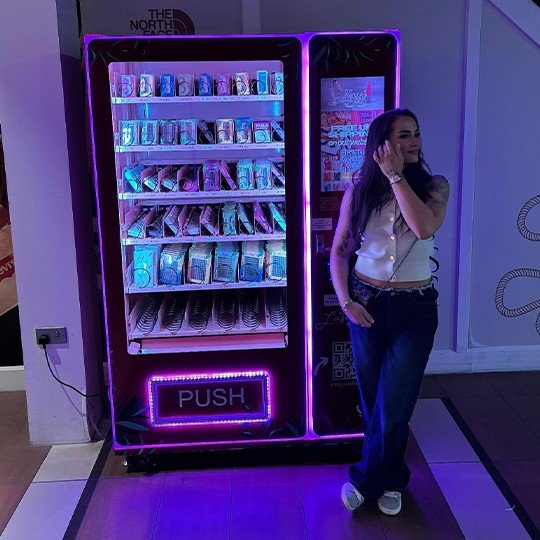
Figure 8: High-density cosmetics layout generating high average order values through multi-item beauty purchasing.
Daily Sales Volume vs. Monthly Net Profit Matrix (AZ-B02)
| Daily Sales Volume | Monthly Items Sold | Monthly Gross Sales (@$15.00) | Product COGS (@$4.50) | Rent & Utilities | Net Monthly Pre-Tax Profit |
|---|---|---|---|---|---|
| 10 items / day | 300 items | $4,500 | $1,350 | $750 | $2,400 |
| 20 items / day | 600 items | $9,000 | $2,700 | $1,200 | $5,100 |
| 35 items / day | 1,050 items | $15,750 | $4,725 | $1,850 | $9,175 |
| 50 items / day | 1,500 items | $22,500 | $6,750 | $2,450 | $13,300 |
| 75 items / day (Peak) | 2,250 items | $33,750 | $10,125 | $3,550 | $20,075 |
Optimizing Location Rent: Flat Rent vs. Revenue Share
When negotiating location contracts with shopping malls, hair salons, or university unions, operators typically structure agreements as either a fixed monthly flat rent ($500–$900) or a percentage revenue-share model (12% to 18% of gross sales). In high-volume venues generating 40+ sales daily, flat rent structures maximize operator profits, while revenue-share models provide downside protection in newly established testing locations.
Zero Retail Staff Overhead: The 24/7 Cosmetics Advantage
Traditional cosmetics retail in shopping malls carries crippling staffing overhead ($35,000–$60,000 annually per shift) and high inventory shrinkage from open tester theft. The Miracle AZ-B01 (36 channels) and AZ-B02 (60 channels) automate beauty sales in a compact 1.5 to 2.0 m² footprint. Every product is locked securely inside heavy-gauge steel cabinets, while high-definition digital touchscreens showcase tutorials, product videos, and ingredient transparency, delivering 50% to 70% gross margins with zero staff payroll.
Zero Inventory Spoilage: The Advantage Over Food Vending
Unlike hot food or fresh bento vending where unsold inventory expires after 3 to 4 days, cosmetics, false eyelashes, and press-on nails have a retail shelf life of 2 to 3 years. This complete absence of food spoilage risk ensures that 100% of purchased inventory is eventually sold at full retail margin, delivering unmatched cash flow predictability.
Frequently Asked Questions: Commercial Beauty Vending Operations
Are beauty vending machines profitable in 2026?
Yes. Due to high retail ticket prices ($12–$22) and strong gross margins (60%–75%), an AZ-B02 machine selling 30 items per day generates over $6,500 to $8,000 in monthly net profit after rent and product costs.
How many items must I sell daily to break even?
In most shopping mall or salon locations with $600 to $800 monthly rent and electricity, selling just 4 to 5 beauty items per day covers all operating overhead.
What is the typical inventory holding cost per machine?
A full inventory fill of 450 beauty items represents approximately $1,800 to $2,500 in wholesale working capital, which typically turns over every 15 to 25 days in active locations.
Launch Your 24/7 Automated Cosmetics Boutique with Miracle Machinery
Get complete engineering blueprints for the AZ-B01 & AZ-B02 beauty vending machines, channel configuration guides, and direct factory-direct FOB Shanghai pricing.