In automated hot meal vending, the food container is not just a package—it is a critical engineering component of the cooking process. Using improper meal trays can cause container melting, packaging warping, sauce leakage, cold food spots, or steam explosions inside the microwave chamber. Selecting the right hot food vending packaging ensures that bento boxes, pastas, burgers, and soups heat uniformly, maintain moisture, and dispense cleanly without jamming. This technical guide covers food-grade container materials, heat-seal films, and compartment sizing.
Key Takeaways: Hot Meal & Bento Vending Solutions
- CPET (Crystalline Polyethylene Terephthalate): The gold standard material for microwave hot food vending, heat-resistant from -40°C to 220°C.
- Micro-Perforated Steam-Release Films: Patented self-venting film lids release excess microwave pressure while retaining succulent food moisture.
- Multi-Compartment Isolation: Prevents rice from absorbing liquid sauces and maintains vegetable crispness during refrigerated holding.
- Standard Dimension Tooling: Designing meal trays within standardized 215 × 160 mm footprints maximizes 40-channel machine loading capacity.
Looking to Deploy an Automated Hot Meal Vending Kiosk?
Download factory-direct pricing for the AZ-F01 hot food machine, microwave heating configurations, and HACCP compliance guides.
Material Analysis: CPET vs. Polypropylene (PP) vs. Molded Fiber
When packaging fresh meals for refrigerated storage and microwave vending, three primary container materials dominate the food industry:
- CPET Trays: Engineered for extreme temperature performance (-40°C to 220°C). CPET will never melt, warp, or leach chemicals during high-power 3000W microwave cycles. It provides high oxygen barrier properties, extending chilled shelf-life.
- Polypropylene (PP #5): Economical, flexible, and microwave-safe up to 120°C (248°F). Excellent for single-compartment lunch boxes, ramen soup bowls, and curry rice.
- Molded Sugarcane Bagasse (Plant-Based): An eco-friendly compostable alternative lined with bio-polymer moisture barriers. Highly popular for university campus sustainability mandates.

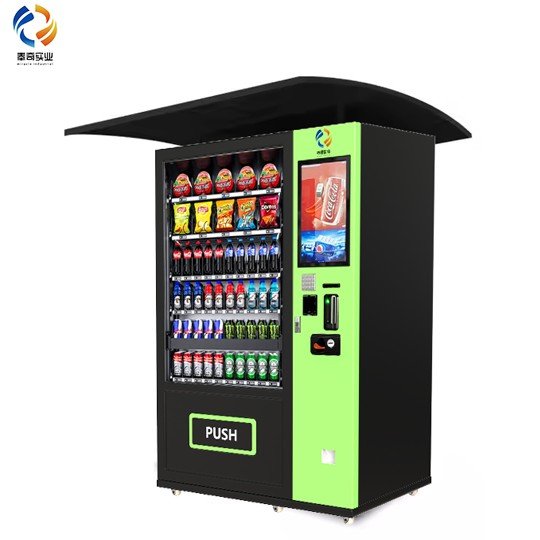
Figure 10: Adjustable shelf channels calibrated to standard CPET and PP bento meal container dimensions.
Packaging Container Material Comparison for Hot Meal Vending
| Packaging Material | Temperature Resistance | Microwave Safety | Oxygen Barrier (Shelf-Life) | Cost Per Container | Eco-Friendliness |
|---|---|---|---|---|---|
| CPET (Thermoformed) | -40°C to 220°C (-40°F to 428°F) | Exceptional (Zero warping) | High (3 to 5 days chilled shelf life) | $0.22 – $0.35 / unit | Recyclable (PET stream) |
| Polypropylene (PP #5) | -20°C to 120°C (-4°F to 248°F) | Good (Handles standard reheating) | Medium (2 to 3 days chilled shelf life) | $0.14 – $0.22 / unit | Widely recyclable |
| Molded Sugarcane Bagasse | -10°C to 110°C (14°F to 230°F) | Moderate (May soften with oily food) | Low (Best for 24–48 hour rapid turnover) | $0.25 – $0.38 / unit | 100% Commercial Compostable |
| Aluminum Foil Container | High temperature | PROHIBITED IN MICROWAVE | High barrier | N/A | DO NOT USE (Causes RF Arcing) |
Steam-Release Top Film Sealing Technology
Traditional snap-on plastic lids can pop open during heating or cause container bulging. Commercial commissaries utilize automated heat-sealing machines with peelable, anti-fog lidding film. The film incorporates laser-micro-perforations that remain hermetically sealed during cold storage, but soften and open under internal steam pressure during microwaving, releasing excess steam while locking in natural food juices.
HACCP Certified Food Safety: Chilled Preservation + Fast Microwave Reheating
Hot food vending requires strict compliance with international food codes (such as US FDA Food Code and EU EC 852/2004). Maintaining cooked meals at warm temperatures (40°C–50°C) invites bacterial proliferation. The Miracle AZ-F01 keeps all lunch boxes and bento meals strictly chilled between 4°C and 8°C throughout inventory holding, then activates an industrial commercial microwave to heat the meal above 75°C (167°F) in 60 to 90 seconds on demand, guaranteeing peak flavor, crispness, and complete bacterial safety.
Optimizing Container Footprints for Maximum Machine Capacity
The Miracle AZ-F01’s 40 conveyor channels are optimized around standard European and North American catering tray footprints (typically 215 mm length × 160 mm width × 45–55 mm depth). Designing your packaging within these standardized dimensions ensures each channel holds 3 to 4 stacked meals, maximizing the machine’s total inventory capacity to 120–140 full entrees.
Frequently Asked Questions: Commercial Hot Meal Vending Operations
Can aluminum foil containers be used in the AZ-F01?
NEVER. Metal containers or aluminum foil must never be loaded into microwave vending machines, as metal reflects microwaves and causes severe electrical arcing that damages magnetrons.
What type of heat sealer is recommended for small commissaries?
A tabletop semi-automatic tray sealing machine ($1,200–$2,500) capable of sealing 300 to 500 trays per hour with nitrogen gas flush (MAP) is ideal for startup operations.
How do multi-compartment trays prevent uneven microwave heating?
Proteins (meat) absorb microwaves faster than starches (rice). Using compartmented trays with optimized wall thicknesses ensures balanced thermal distribution across all ingredients.
Launch Your 24/7 Unattended Hot Food Restaurant with Miracle Machinery
Get complete engineering blueprints for the AZ-F01 hot meal vending machine, commercial microwave heating specs, and factory-direct FOB Shanghai pricing.