Scaling an automated retail route from a single pilot machine to a multi-unit network across a metropolitan area requires intelligent capital allocation. Instead of deploying all liquid cash into upfront equipment purchases, smart operators utilize commercial vending machine financing and equipment leasing programs. Furthermore, commercial equipment investments qualify for powerful tax incentives—such as IRS Section 179 in the United States—allowing business owners to deduct 100% of equipment purchase costs in the first year.
Key Takeaways: Blind Box & Mystery Collectible Vending
- Equipment Leasing Flexibility: Lease-to-own programs allow operators to deploy $4,000 kiosks for low monthly payments of $120 to $165.
- Cash Flow Preservation: Conserve working capital to purchase high-margin collectible inventory rather than locking up cash in hardware.
- 100% First-Year Tax Deductions: IRS Section 179 allows full depreciation deduction of qualifying commercial vending equipment in the year placed in service.
- Positive Cash Flow Arbitrage: A machine generating $1,200+ in monthly net cash easily covers monthly lease obligations with substantial surplus profit.
Looking to Deploy a Zero-Drop Blind Box Vending Machine?
Request factory-direct pricing for the AZ-Y vertical elevator model, custom IP channel configurations, and remote cloud telemetry.
Financing Options: Equipment Leasing vs. Working Capital Loans
When financing commercial vending hardware, operators generally choose between two primary structures:
- Fair Market Value (FMV) Lease: Offers the lowest monthly payments with the option to purchase the machine, return it, or upgrade to a newer model at the end of the term (typically 24 to 36 months).
- $1.00 Buyout Lease (Capital Lease): Functions like a commercial equipment loan where the operator owns the machine outright at the end of the term for a nominal $1.00 payment. Payments are slightly higher, but the asset builds equity on the company balance sheet from day one.
- SBA Microloans & Commercial Lines of Credit: Low-interest working capital loans ($5,000–$50,000) ideal for funding multi-machine fleet purchases and initial bulk inventory acquisitions simultaneously.
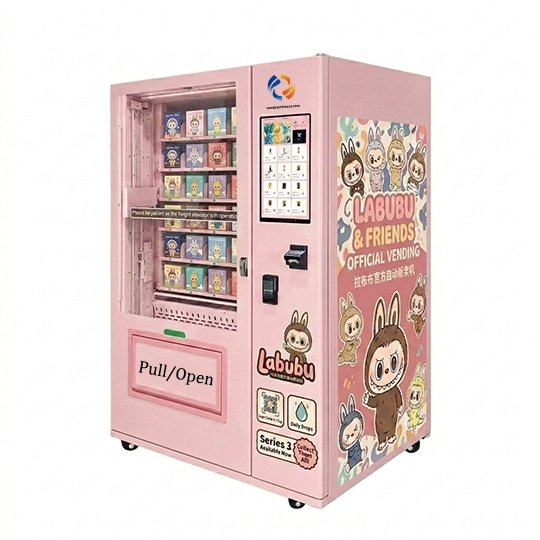
Figure 17: Commercial-grade elevator vending machines in final quality inspection prior to global export shipping.
Cash Purchase vs. Equipment Lease Financing Comparison (3-Machine Route)
| Financial Parameter | Outright Cash Purchase (3 Units) | Equipment Lease-to-Own (36 Months) |
|---|---|---|
| Upfront Capital Required | $12,000 – $13,500 (Full hardware outlay) | $800 – $1,200 (First & last month payment) |
| Monthly Financing Payment | $0 / month | $380 – $460 / month total |
| Working Capital Preserved | $0 (Capital tied in fixed hardware) | $11,000+ available for toy inventory |
| Monthly Route Net Cash Flow (@$3,000 total) | $3,000 / month net | $2,560 / month net after lease payment |
| First-Year Section 179 Tax Deduction | Full purchase cost deductible ($12,000+) | Full qualifying equipment value deductible |
| Expansion Speed | Slow (Must wait for cash accumulation) | Rapid (Can deploy 5–10 machines immediately) |
Maximizing Section 179 and Bonus Depreciation Tax Benefits
Under United States Internal Revenue Code Section 179, businesses can deduct the full purchase price of qualifying commercial equipment purchased or financed during the tax year. For example, if an operator purchases four Miracle AZ-Y blind box vending machines for $16,000 total, the entire $16,000 can be written off against business income in Year 1. Assuming a 25% corporate tax bracket, this deduction generates $4,000 in immediate tax savings, effectively subsidizing the acquisition of an entire additional machine.
Zero-Drop Engineering: The Secret to High Blind Box Margins
In collectible retail, packaging condition accounts for over 40% of perceived secondary market value. Standard coil spring drop mechanisms cause package crinkles and broken figurines, triggering customer chargebacks and refunds. The Miracle AZ-Y vertical elevator platform ensures 100% mint packaging integrity on every vend, allowing operators to command full premium pricing for Labubu, Pop Mart, and designer art toys.
ROI Arbitrage: How Low Monthly Payments Drive Rapid Scaling
The core advantage of equipment financing is cash flow arbitrage. A well-placed blind box machine in an active shopping mall typically generates $3,000 to $6,000 in monthly gross revenue, yielding $1,200 to $2,500 in net profit. When financed at $140 per month on a 36-month lease, the machine pays for its own financing cost within the first 3 days of every month, leaving the remaining 27 days as pure positive cash flow.
Frequently Asked Questions: Commercial Blind Box Vending Operations
Can a new business with no credit history qualify for vending machine financing?
Yes. Many equipment leasing lenders approve startups based on personal credit scores (typically 650+) and a solid business plan outlining target mall locations.
Does Section 179 apply to machines that are financed rather than paid in cash?
Yes. You can take the full Section 179 deduction on qualifying equipment even if you lease or finance it with $0 or minimal down payment.
What documentation is required to apply for commercial equipment leasing?
Lenders typically require a basic one-page application, 3 months of business or personal bank statements, and equipment invoice proforma from the manufacturer.
Launch Your Automated Collectible Retail Route with Miracle Factory Direct
Get complete technical blueprints for the AZ-Y vertical lift blind box vending machine, 54-channel configuration guides, and direct FOB Shanghai shipping quotes.