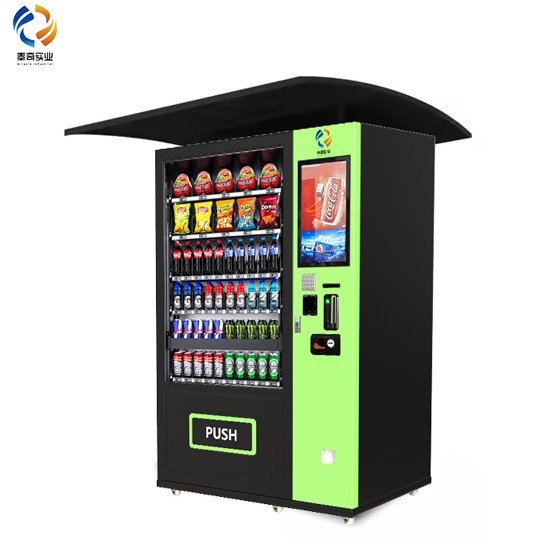
When entering the automated retail sector or upgrading breakroom amenities, operators and facility managers face a pivotal equipment dilemma: Should you deploy a single dual-temperature combo vending machine, or invest in a dedicated two-cabinet bank featuring one snack machine and one glass-front beverage cooler? While industry beginners frequently assume that more machines equate to more revenue, professional route operators know that equipment choice is a strict optimization problem balancing available floor space, capital expenditure (CapEx), restock velocity, and daily foot traffic. This comprehensive commercial guide analyzes the financial, operational, and mechanical realities of combo vending units versus separate machine pairings in 2026.
Key Takeaways: Combo Vending Machine vs. Separate Pairings
- 45%–55% Lower Capital Investment: A single commercial combo unit ($2,800–$4,800 USD) replaces a dedicated snack and beverage machine pair ($6,000–$11,000 USD), requiring only one telemetry card reader and one freight delivery.
- Dual-Temperature Micro-Zoning: Advanced internal insulation maintains 12°C–18°C on top snack shelves (preventing melted chocolate) and 3°C–8°C on bottom drink shelves simultaneously.
- The 150-Buyer Threshold: Under 150 daily passersby, a combo machine captures maximum sales without inventory shortages. Above 150 daily buyers, high-turnover beverage cans sell out rapidly, justifying a dedicated two-machine bank.
- Zero Footprint Rejections: Property managers in corporate offices and medical clinics routinely reject two bulky 40-inch cabinets, but eagerly approve a compact 33-to-40-inch combo kiosk.
Looking for Factory-Direct Smart Combo Vending Machines?
Download complete 36, 60, and 120-channel specification sheets and wholesale pricing from SHMIRACLE.
Direct Comparison: One Combo Unit vs. Two Dedicated Machines
To understand why combo machines dominate over 65% of first-time vending route acquisitions, operators must examine all operational friction points. The table below compares a single 60-slot combo kiosk against a separate snack machine and drink cooler:
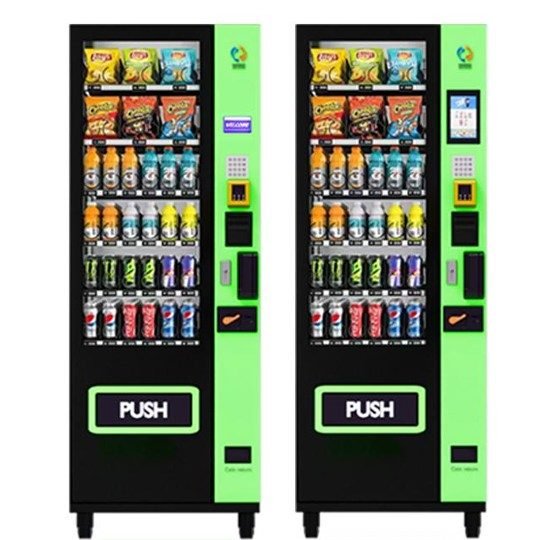
Figure 1: Comparing side-by-side dedicated snack and drink dispensers with an integrated all-in-one combo machine.
How Dual-Temperature Zone Engineering Works
A common misconception among beginner operators is that combo machines freeze snacks or serve warm beverages. The SHMIRACLE AZ-10 series solves this through precision thermodynamic separation:
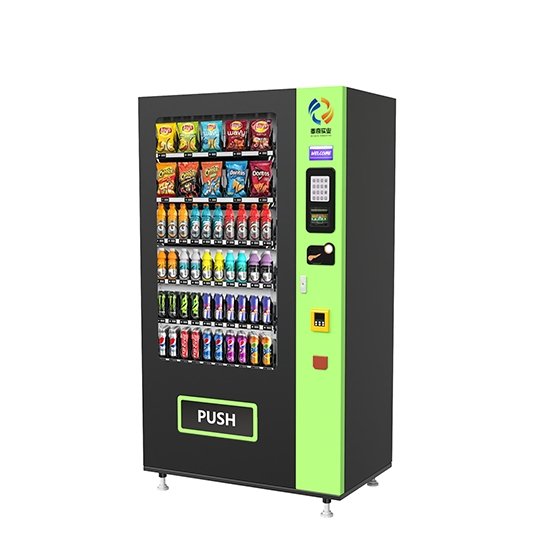
Figure 2: The SHMIRACLE AZ-10 standard combo machine featuring 60 slots and independent upper and lower temperature control.
- Internal Polyurethane Thermal Barrier: A dense insulating divider separates the upper snack trays (Trays 1 to 4) from the lower beverage trays (Trays 5 and 6).
- Forced Cold-Air Ducting: The R290 commercial compressor pumps cold air directly through the bottom shelves first, holding soda cans and juices at 3°C–8°C. A metered damper allows minimal chilled air to circulate into the upper snack compartment, keeping chocolate and potato chips crisp at 12°C–18°C without condensation or melting.
- Automated Heated Glass Door: Triple-glazed vacuum glass with embedded micro-heating elements prevents outer surface condensation, ensuring clear visibility in air-conditioned lobbies or humid summer environments.
Financial Model: Combo Machine Unit Economics & ROI
Because combo machines house both impulse sweet/salty snacks (high margin, ~60%) and cold beverages (consistent daily velocity, ~45% margin), they unlock the highest revenue-per-square-foot in commercial vending:
Pro Forma: Corporate Office / Tech Park Breakroom (AZ-10 Combo Model)
-
Average Daily Transactions (30 Drinks + 25 Snacks):
55 items / day -
Blended Average Retail Price:
$1.95 USD -
Blended Product Cost of Goods Sold (COGS):
-$0.78 USD (40.0% COGS) -
Gross Profit Margin per Vend:
$1.17 USD (60.0% Gross Profit) -
Monthly Gross Profit (30 Days × 55 Vends × $1.17):
$1,930.50 USD -
Operating Expenses (Site Rent 10% + Electricity + Card Fees 3.5%):
-$420.00 USD -
Estimated Monthly Net Cash Flow:
$1,510.50 USD / Month
At an average net operating profit of $1,510 USD per month, a factory-direct combo machine costing around $3,400 to $4,200 USD achieves complete capital investment payback in just 2.5 to 3.5 months.
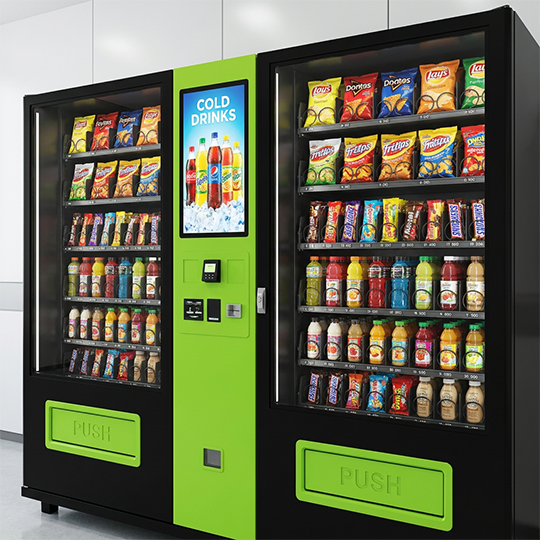
Figure 3: For high-traffic venues needing more capacity, the master-slave AZ-20H provides 120 slots while operating on a single payment terminal.
Three Scenarios Where You Should NOT Buy a Combo Machine
- Mega-Venues with 300+ Daily Foot Traffic: In high-throughput 24-hour manufacturing facilities or airport terminals, the drink section of a combo machine empties in less than 36 hours. You either incur excessive restocking travel costs or suffer lost sales. A dedicated beverage cooler paired with a high-capacity snack machine is the right architecture.
- Drink-Exclusive Environments (Gyms & CrossFit Boxes): If 85% of customer demand is for cold bottled water, electrolyte beverages, and pre-workout cans, the upper snack shelves will sit dormant, accumulating expired inventory. A dedicated glass-front beverage machine or protein shake dispenser is far more profitable.
- Restricted Doorway Clearances: A commercial 60-slot combo cabinet is generally 38 to 41 inches deep. Always measure narrow elevators, stairwell turns, and historic doorway frames before purchasing.
Source Factory-Direct Combo Vending Machines from SHMIRACLE
Save 20%–35% compared to local distributor markups. CE, RoHS, and FCC certified. Multi-currency Nayax telemetry integration and worldwide sea shipping from Shanghai.
Explore More Commercial Vending Solutions & Buyer Guides:
• Smart Combo Vending Machines Product Page (36, 60 & 120 Slots)
• Coffee Vending Machine for Office Guide: Instant vs. Bean-to-Cup
• Hot Food Vending Machine Business Guide: Microwave Heating
• Ice Cream Vending Machine Business Guide: Deep Freeze ROI
• Orange Juice Vending Machine Business Guide: Cold-Press & ROI
• Ramen & Hot Noodle Vending Machine Business Guide