Modern corporate offices, industrial manufacturing facilities, and hospitality venues face a persistent dilemma: traditional office drip brewers produce mediocre coffee with messy sink cleanups, while hiring professional baristas or leasing commercial espresso setups drains thousands of dollars in monthly operating overhead. For facility directors, office coffee service (OCS) operators, and automated retail entrepreneurs, deploying a dedicated coffee vending machine represents the ultimate balance of artisanal quality and unattended automated efficiency. From high-speed instant drink dispensers to 16-bar Italian bean-to-cup espresso stations, modern automated kiosks deliver fresh specialty coffee 24/7 with seamless cashless telemetry and automated self-cleaning cycles.
Key Takeaways: Commercial Coffee Vending Economics & Hardware Selection
- 75%–85% Gross Profit Margins: Raw ingredient cost per cup ranges between $0.20 and $0.65 (beans, milk powder, sugar, cup/lid) against retail sales prices of $1.50 to $3.50, generating substantial daily profit.
- Instant vs. Bean-to-Cup Architecture: Instant units (AZ-C01 / AZ-C05) dispense drinks in 15–20 seconds with minimal cleaning; bean-to-cup machines (AZ-C86) grind fresh whole beans and pull 9-bar espresso for barista-grade beverages.
- Nayax Cashless & Cloud Telemetry: Integrated MDB protocol supports credit cards, Apple Pay, Google Pay, QR codes, and RFID staff badges, accompanied by real-time web inventory alerts and remote price configuration.
- 6–12 Month Rapid Payback: In corporate offices or transport terminals with 150+ daily foot traffic, dispensing 70–100 cups per day delivers $2,500–$6,000 monthly net operating margin.
Sourcing Coffee Vending Machines for Office or Commercial Routes?
Download factory wholesale pricing, telemetry manuals, and drink recipe spec sheets from SHMIRACLE.
How Commercial Coffee Vending Machines Work: Engineering & Extraction
Unlike domestic pod machines that struggle under commercial demand, an industrial coffee vending machine is engineered for continuous high-speed dispensing. Commercial units divide internal workflows into three synchronized stages: ingredient dosing, pressurized thermal extraction, and automated cup presentation.
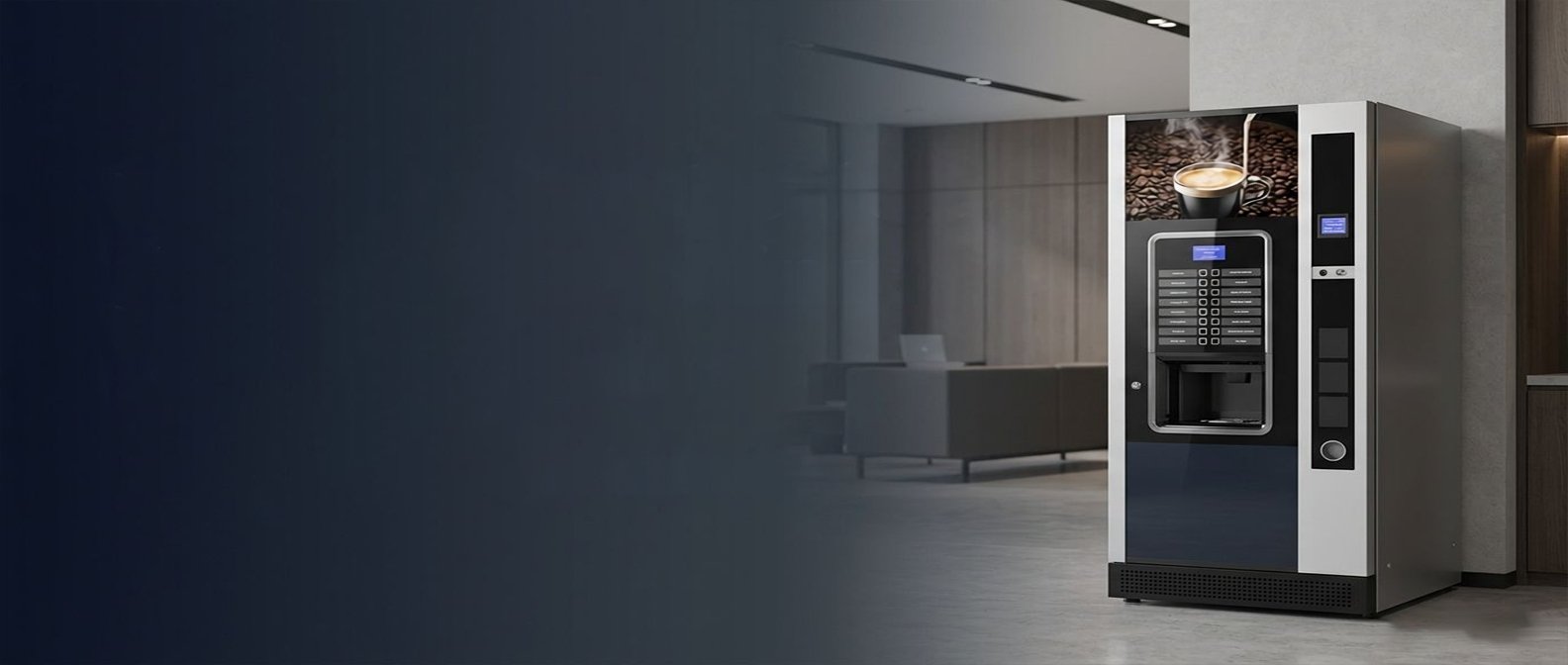
Figure 1: SHMIRACLE commercial coffee vending machine lineup featuring multi-canister powder mixing and bean-to-cup espresso configurations.
In modern machines, two core extraction technologies dictate drink quality, dispensing speed, and operational maintenance:
- High-Speed Powder Whipping (Instant Systems): Precision stepper augers release metered grams of instant coffee, freeze-dried milk, hot chocolate, or tea powders into food-grade mixing funnels. Water injected at 88°C–92°C meets a 14,000 RPM high-shear whip motor, dissolving powders instantly and producing dense, velvety microfoam in under 20 seconds.
- Fresh-Bean Grinding & Espresso Extraction (Bean-to-Cup Systems): Whole roasted coffee beans are fed from an airtight 1.8 kg hopper into commercial flat or conical stainless burrs. The ground puck drops into a motorized hydraulic or piston brew chamber, undergoes pre-infusion, and is extracted under a stable 9 to 15 bars of pressure. The spent puck is mechanically ejected into an internal waste container, and milk powder or hot water is added to craft authentic cappuccinos, flat whites, and americanos.
Instant vs. Bean-to-Cup Coffee Vending Machines: Technical Comparison
Selecting between an instant powder mixing machine and a bean-to-cup espresso system directly impacts initial capital investment, throughput speed, beverage perception, and routine maintenance intervals. The table below compares SHMIRACLE’s three flagship commercial models:
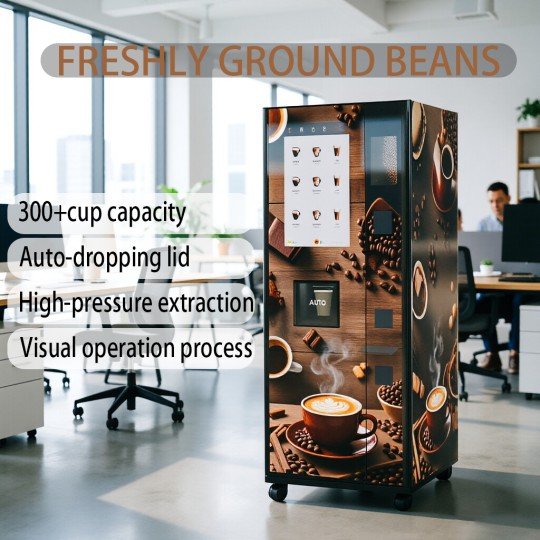
Figure 2: The AZ-C05 cashless coffee vending machine deployed in a modern corporate office breakroom with 21.5-inch touchscreen ordering.
Commercial Coffee Vending Profitability & ROI Analysis
Unlike traditional snack vending where wholesale packaged goods limit gross margins to 40%–50%, bulk beverage vending unlocks the highest margins in the unattended retail sector. Raw ingredients—roasted beans, soluble milk powders, sugar, paper cups, and sip lids—represent a fraction of retail drink pricing.
Financial Pro Forma: Office Coffee Vending (Based on AZ-C05 / AZ-C86 Placement)
-
Average Daily Sales Volume:
85 cups / day -
Average Selling Price per Cup (Coffee / Cappuccino / Latte):
$2.25 USD -
Average Ingredient & Packaging Cost (Beans, Milk, Cup, Lid):
-$0.38 USD (16.9% COGS) -
Gross Margin per Cup:
$1.87 USD (83.1% Gross Profit) -
Monthly Gross Profit (30 Days × 85 Cups × $1.87):
$4,768.50 USD -
Estimated Monthly Operating Expenses (Site Rent 15% + Electricity + Card Processing 3%):
-$950.00 USD -
Estimated Monthly Net Cash Flow:
$3,818.50 USD / Month
At an average net monthly cash flow of $3,800 USD, a commercial machine costing between $3,200 and $6,500 USD completely recoups its hardware acquisition and freight investment within 2.5 to 5 months. In enterprise office contracts where corporate clients subsidize beverages for employee wellness, recurring prepaid badge accounts ensure steady revenue regardless of seasonal fluctuations.
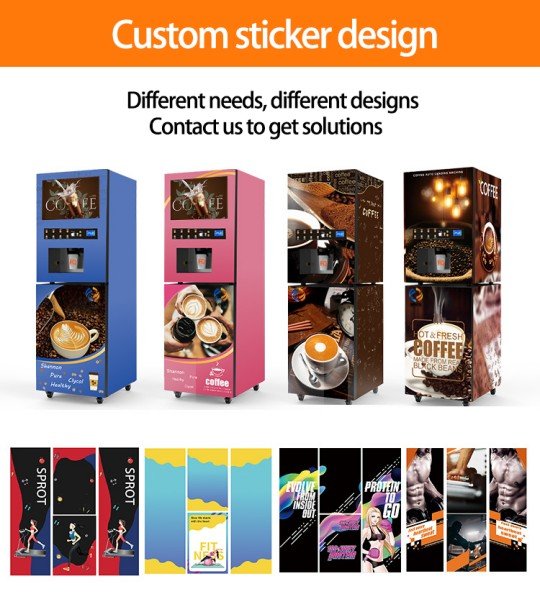
Figure 3: Integrated Nayax contactless card reader, EMV chip slot, and QR payment scanner supporting global cashless transactions.
Prime Deployment Locations for Coffee Vending Machines
Foot traffic density and consumer dwell time dictate daily cup velocity. Operators achieving top-tier financial performance deploy coffee vending machines across these strategic venues:
🏢 Corporate Offices & Coworking Spaces
Companies with 50 to 500 employees eliminate barista payroll while boosting worker productivity. Subsidized employee RFID badges or subsidized 50% copay options provide reliable daily cup consumption.
🏥 Hospitals & Healthcare Facilities
Night shift doctors, nurses, and anxious visitors require warm beverages 24 hours a day when hospital cafeterias close at 8 PM. Delivers consistent volume around the clock.
🎓 University Libraries & Student Centers
Late-night study sessions and early morning lectures create massive demand for affordable espresso drinks. Touchscreen interfaces and Apple Pay support match collegiate purchasing habits.
🚆 Airports, Train Stations & Bus Terminals
Transit hubs feature non-stop foot traffic where rushed commuters demand quality coffee in under 30 seconds without waiting in lengthy 15-minute cafe queues.
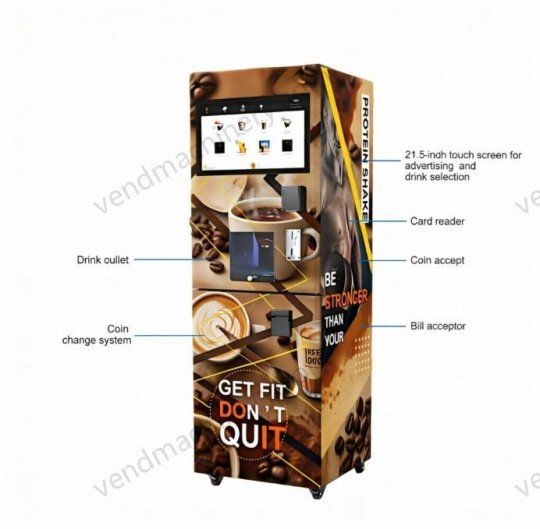
Figure 4: Industrial stainless steel interior frame, copper boiler assembly, and food-grade silicone tubing tested under continuous extraction load.
Maintenance, Sanitation & Telemetry Management
Commercial operators frequently ask about operational workload. Modern coffee vending technology minimizes hands-on service through automation:
- Automated Self-Flush Cycles: The software triggers automated hot water cleaning of the mixer bowls and delivery tubing after every 50 vends or after 60 minutes of inactivity, preventing sugar syrup residue and dairy calcification.
- Cloud Fleet Monitoring: The Android-based cloud operating system connects via 4G LTE or Wi-Fi to alert operators when bean hopper levels drop below 20%, when water filter life expires, or if a temperature threshold varies by ±2°C.
- Modular Component Swaps: Mixer bowls, brewing units, and valves feature quick-release clips. Field technicians can clean or replace an entire sub-assembly in under 90 seconds without specialized plumbing tools.
Build Your Automated Coffee Vending Route with SHMIRACLE
Direct factory pricing, custom cabinet wrap branding, multi-currency telemetry configuration, and global sea freight from Shanghai. CE, RoHS, and FCC certified.
Explore More Commercial Vending Solutions & Buyer Guides:
• Commercial Coffee Vending Machines (Instant & Bean-to-Cup Product Page)
• Hot Food Vending Machines with Microwave Heating (AZ-F01)
• Smart Combo Vending Machine Buying Guide (Snacks & Cold Drinks)
• Protein Shake Vending Machine Gym Profit Guide
• Pizza Vending Machine Business Guide (350°C Deck Baking)
• Commercial Ice Vending Machine Business Guide: Bagged vs Bulk